Since the big typhoon wasn’t so big after all and since it wasn’t raining on Sunday morning we decided to take the train to Hiroshima. It’s much faster to travel by train in Japan even with the stops along the way because the speed limit on the highway is 60kmh or 37mph. In town it’s 40kmh or 25mph and on base it’s 30kmh or 19mph. Hard to get used to but it’s a very good thing for us all to slow down.
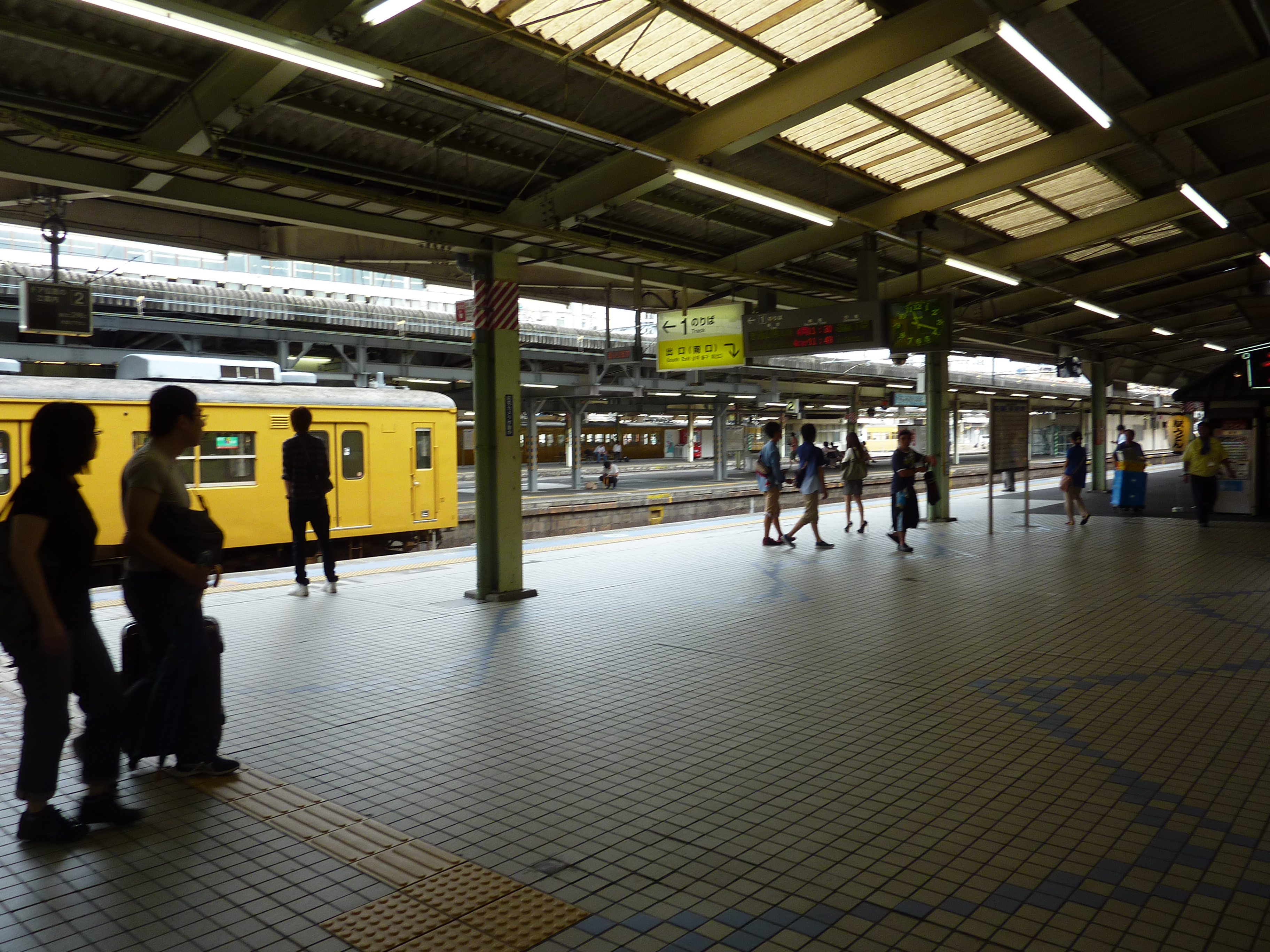
Train to Hiroshima
Along the way we saw some of the islands off the coast and lots of oyster boats. Hiroshima is Japan’s leading oyster producing area with the big Miyajima Oyster Festival in early February.
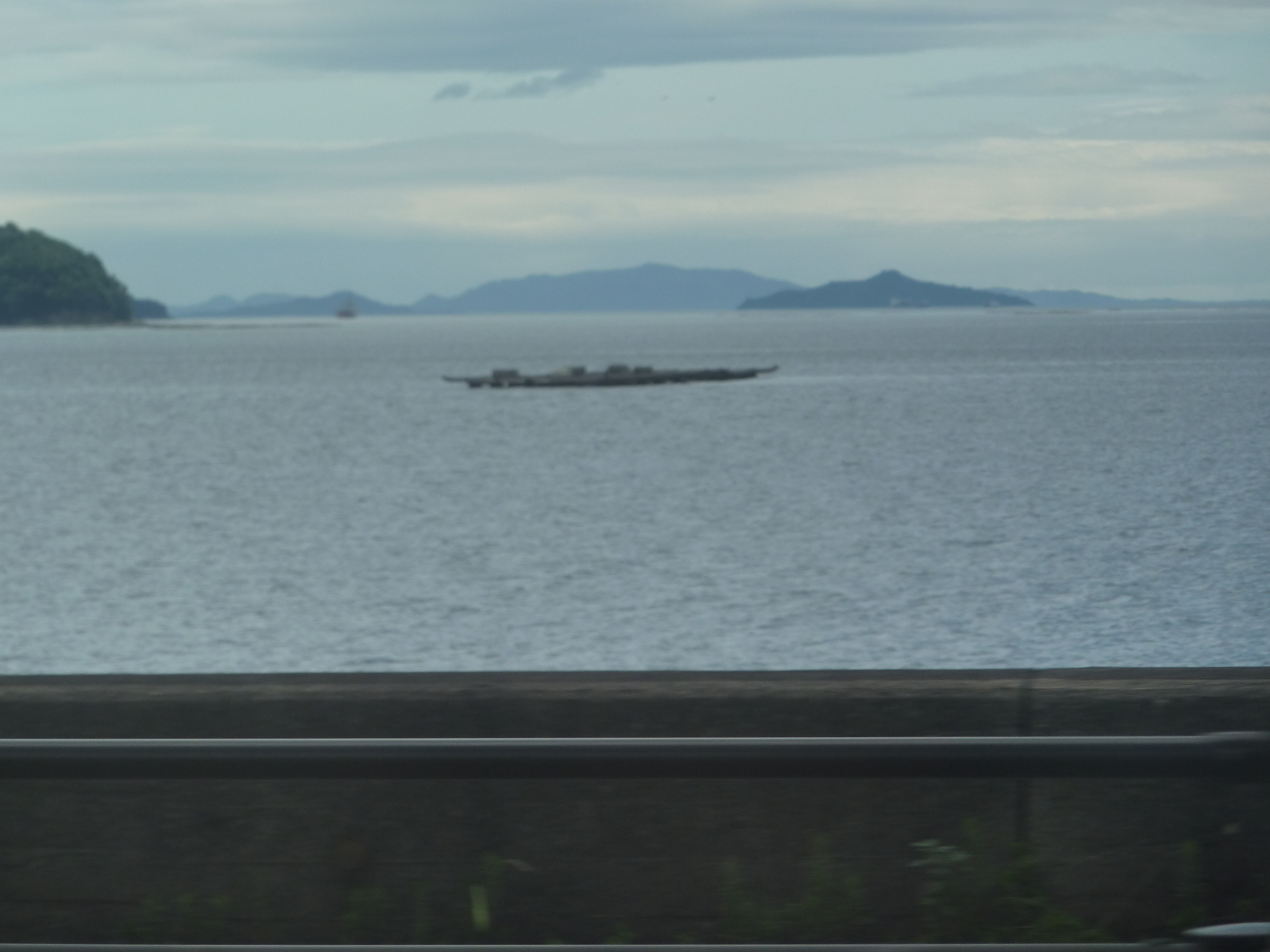
Oyster boats
The trains in Japan are spotlessly clean and always on time. And if you miss one you can just hop on the next one. It was a very pleasant ride to Hiroshima.
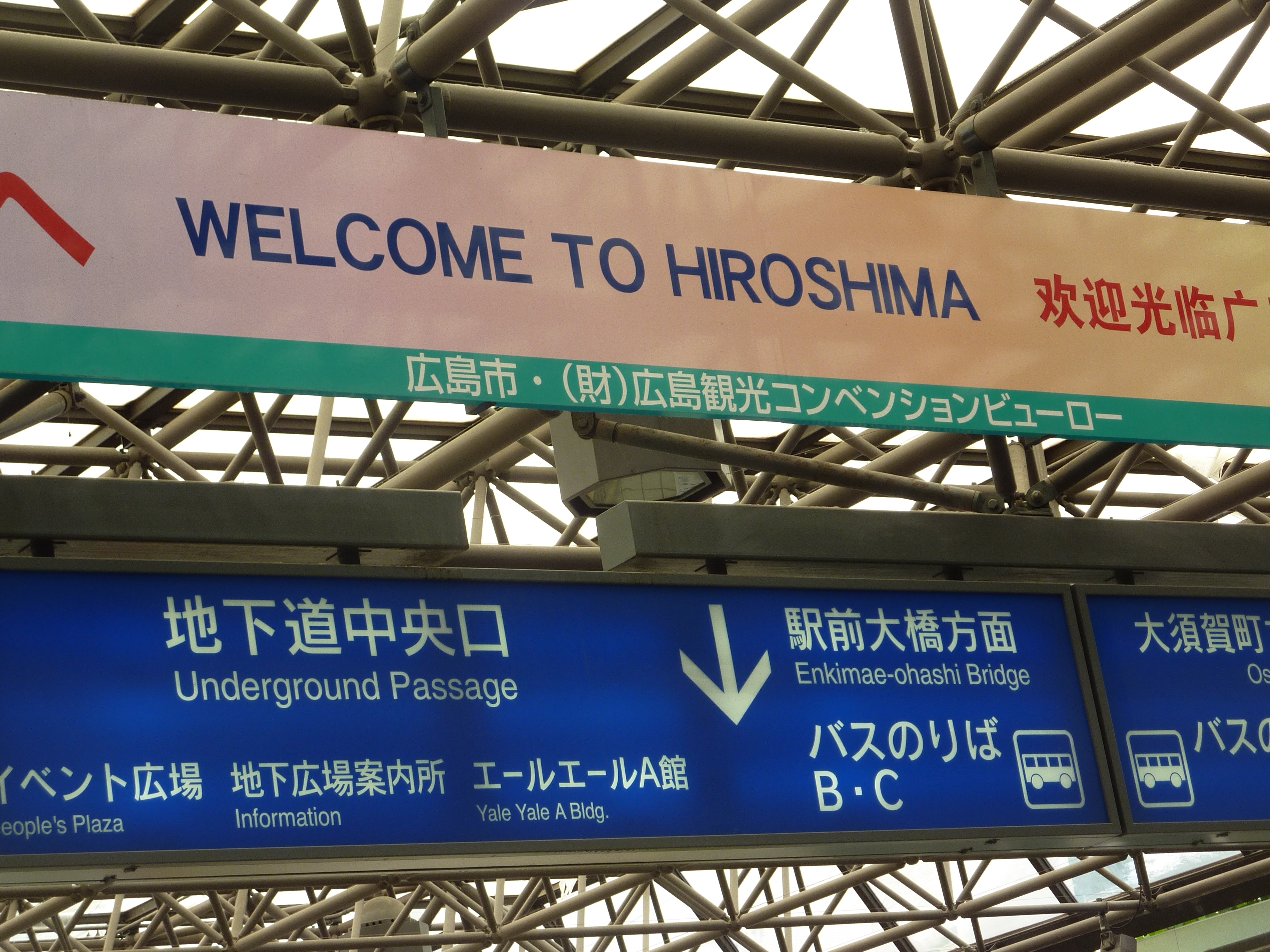
Welcome to Hiroshima
From here we took a streetcar to the Peace Memorial Park. This is the site of the August 6, 1945 atomic bomb blast. As a reminder of this event Japan has created a very lush, green, beautiful park around the former Hiroshima Prefectural Exhibition Hall. As one of the few remaining buildings left standing after the blast of the atomic bomb, the dome, a registered World Heritage Site, stands as a symbol to the world to seek peace and the complete abolishment of nuclear weapons.
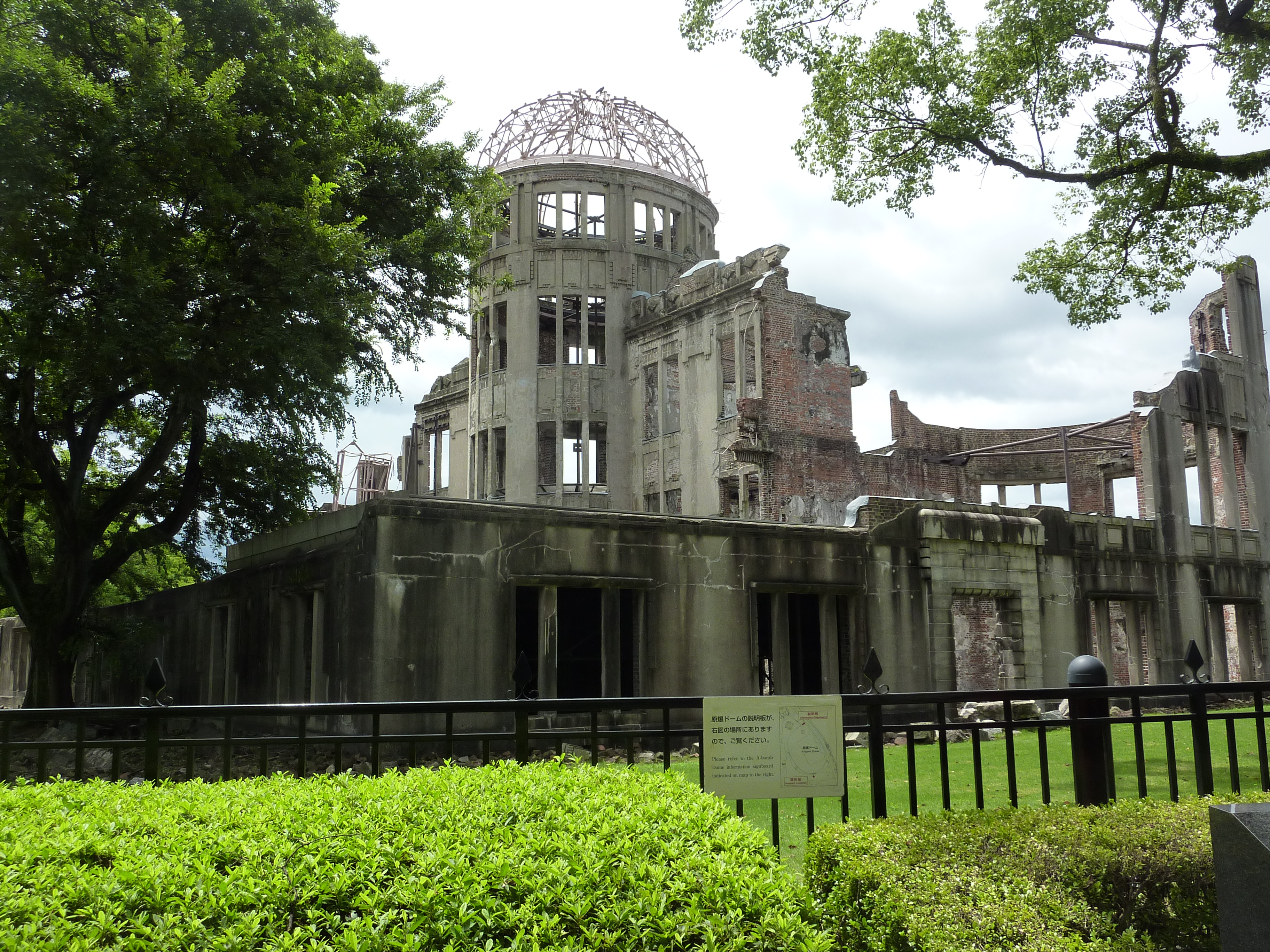
A-Bomb Dome
This is what it looked like before that fateful day.
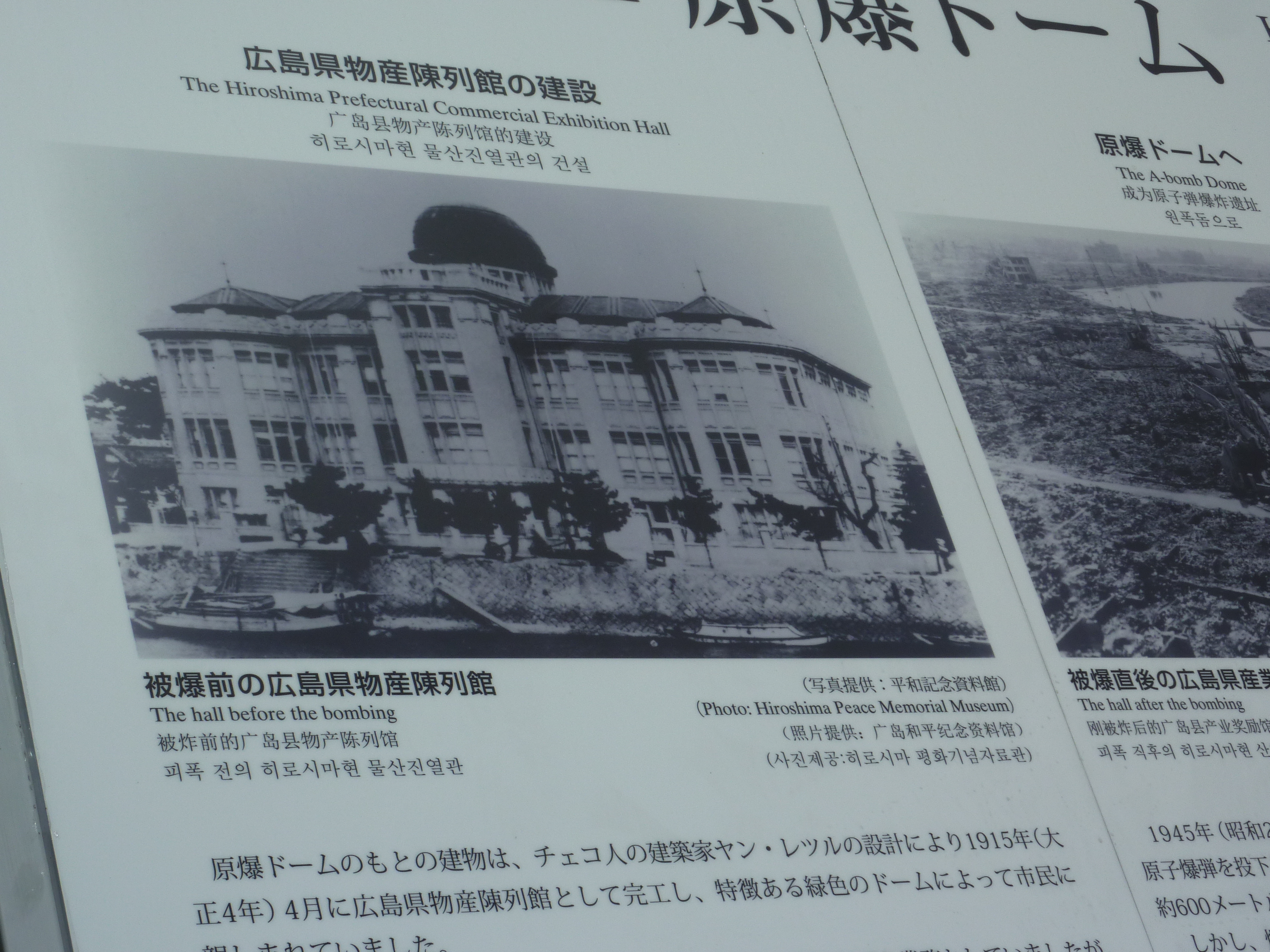
Pre August 6
And here it is after the bomb blast.

Post August 6
This Peace Memorial Park in the middle of the city is huge and beautiful.
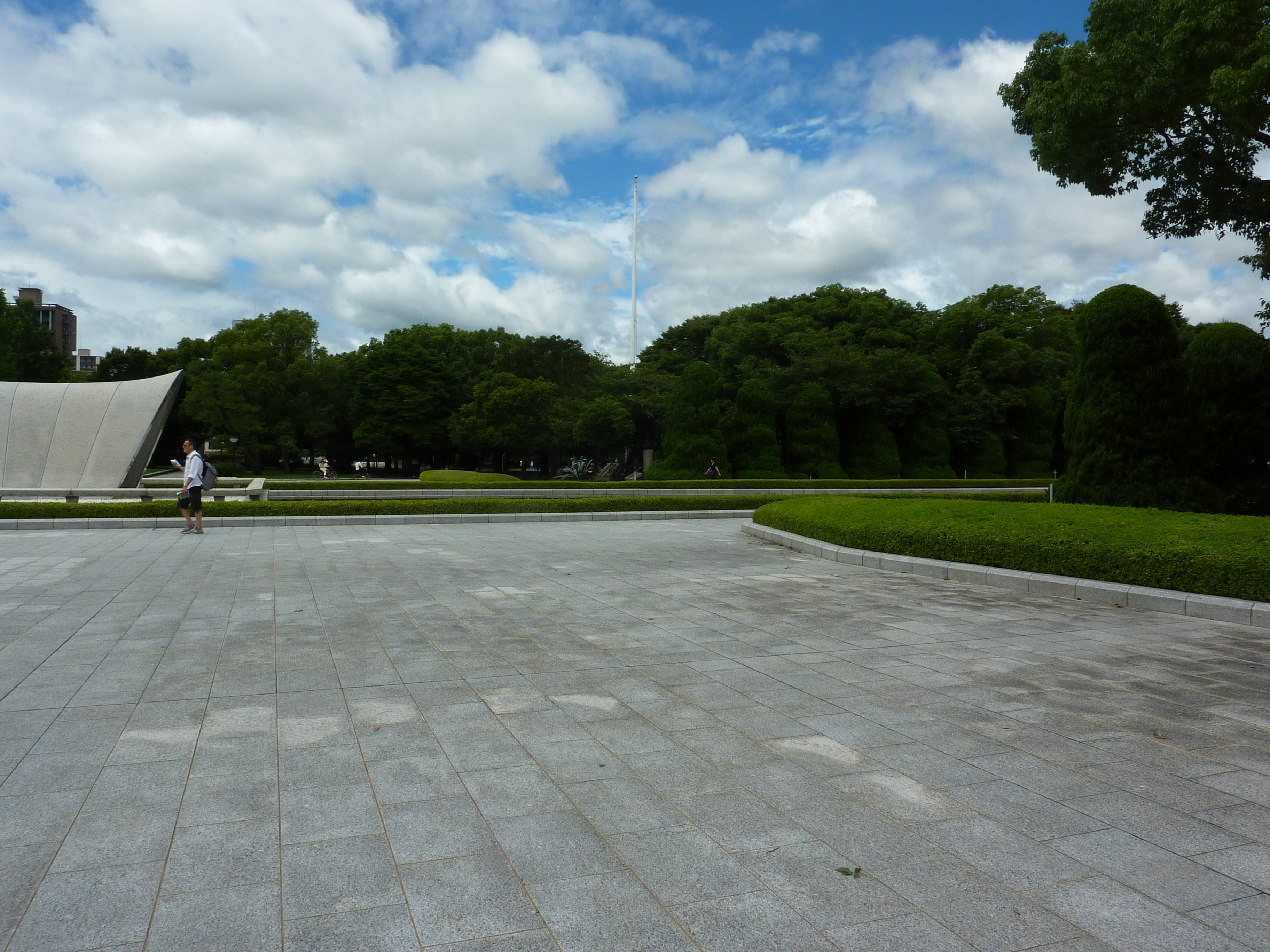
Peace Park
The Children’s Peace Monument can also be found in the park as well as this Children’s Peace Tower, also called the Tower of a Thousand Cranes.
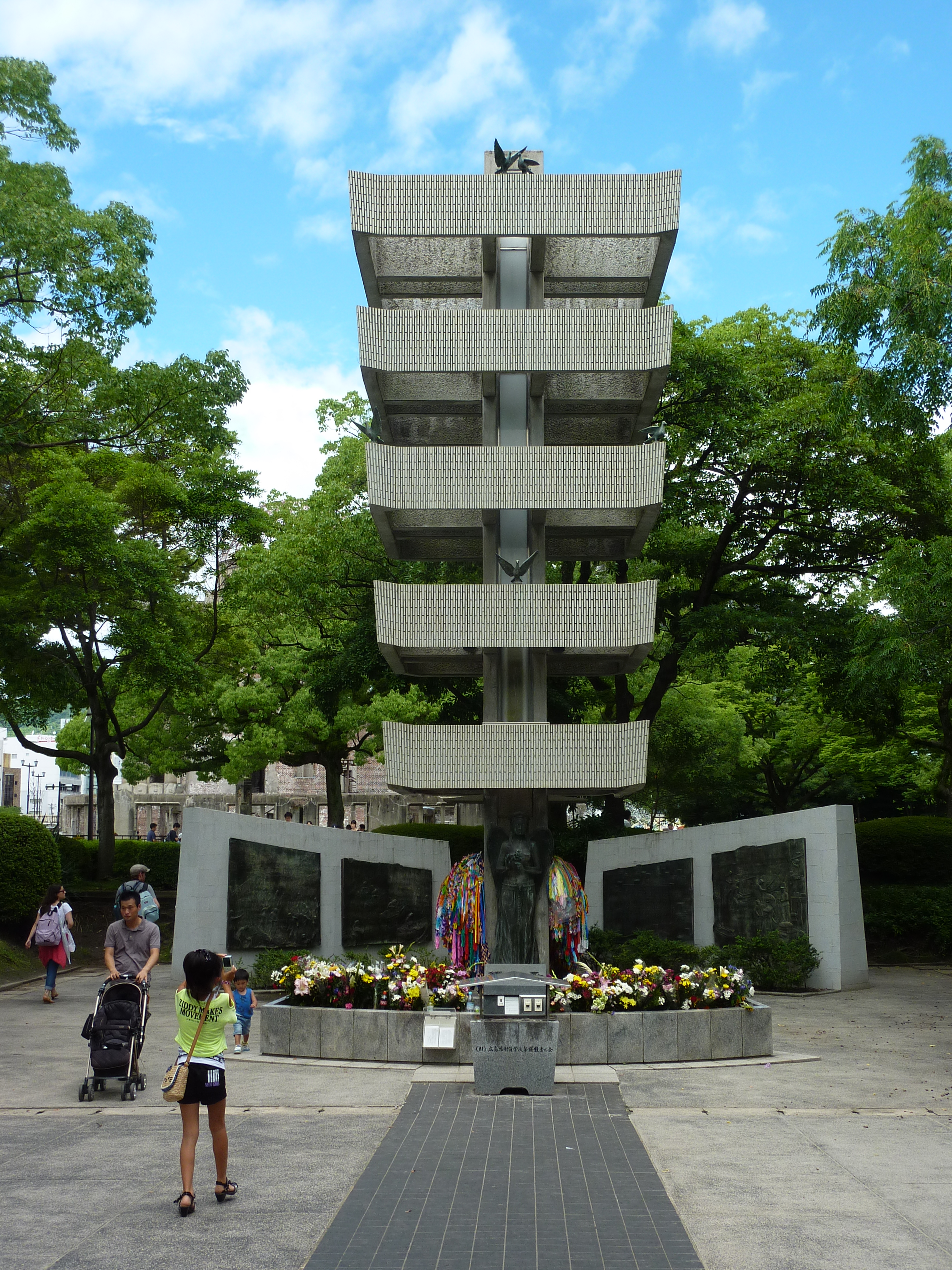
Children’s Peace Tower
Young Sadako was two years old when she was exposed to the A-bomb. She had no apparent injuries and grew into a strong and healthy girl. However, nine years later in the fall when she was in the sixth grade of elementary school (1954), she suddenly developed signs of an illness. In February the following year she was diagnosed with leukemia and was admitted to the Hiroshima Red Cross Hospital. Believing that folding paper cranes would help her recover, she kept folding them to the end, but on October 25, 1955, after an eight-month struggle with the disease, she passed away.
Sadako’s death triggered a campaign to build a monument to pray for world peace and the peaceful repose of the many children killed by the atomic bomb. The Children’s Peace Monument that stands in Peace Park was built with funds donated from all over Japan. Later, this story spread to the world, and now, approximately 10 million cranes are offered each year before the Children’s Peace Monument.
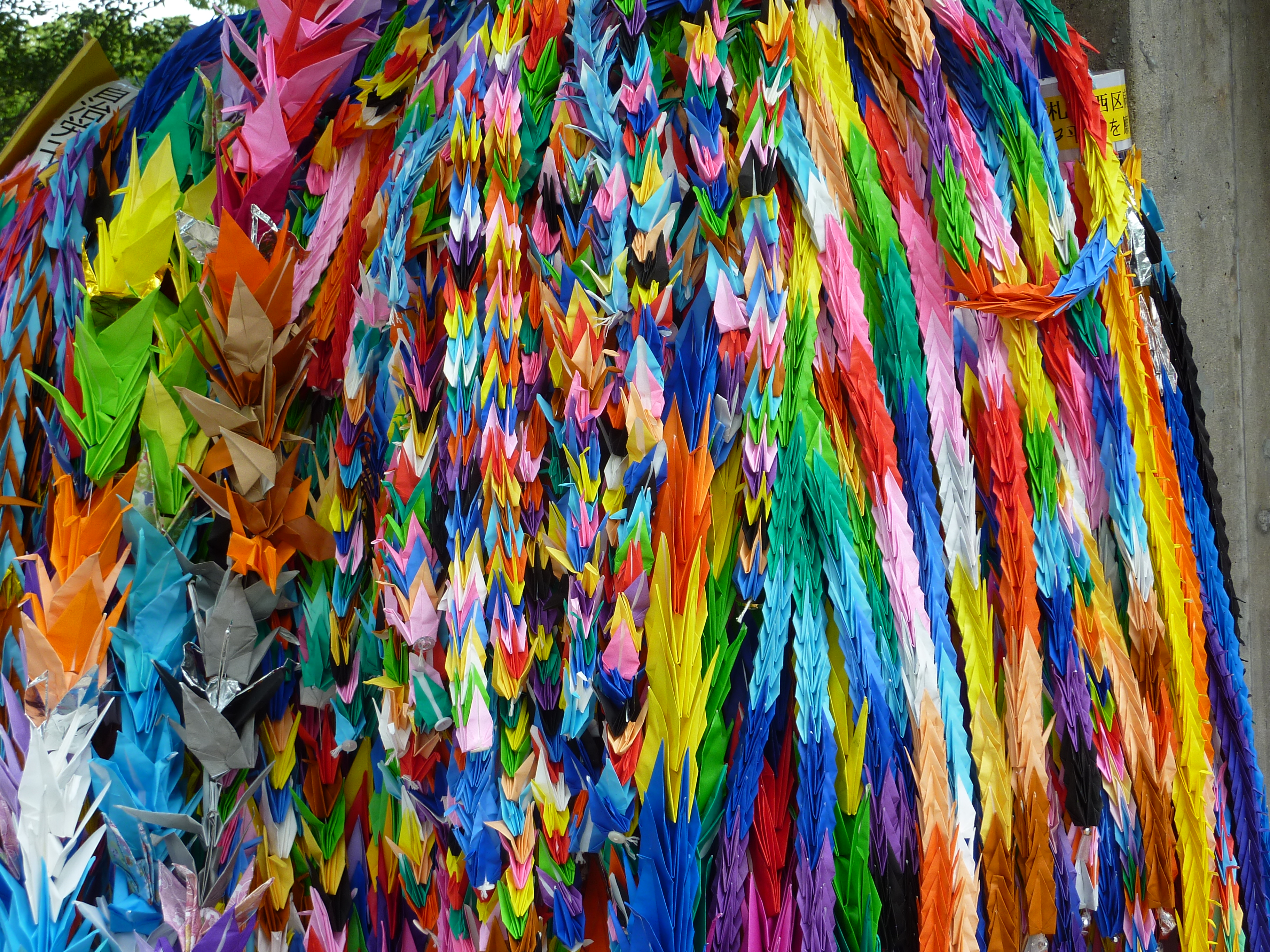
Beautiful Cranes for Peace
To be continued.
 Life in Japan and Beyond