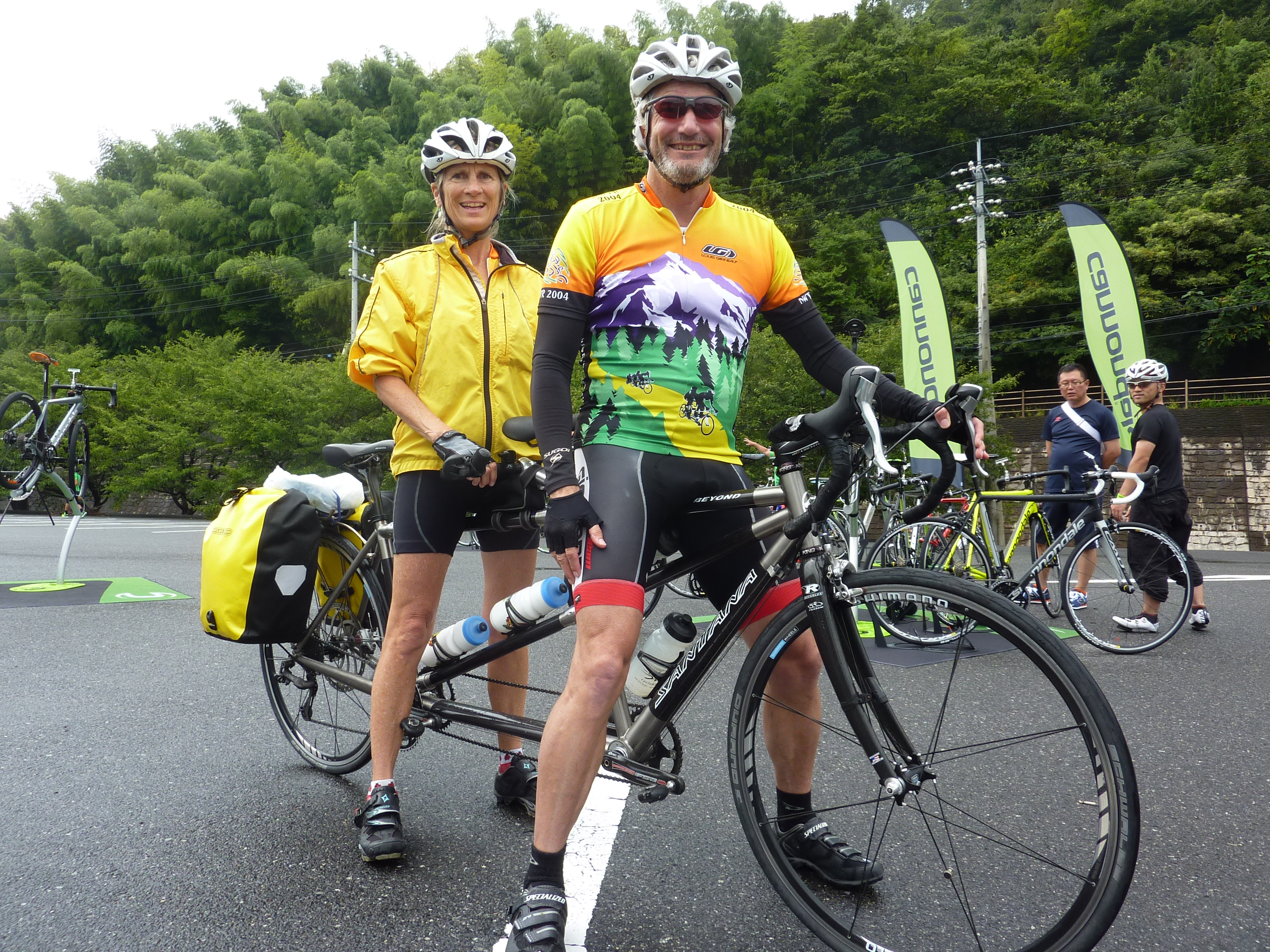
We’ve barely been home a week from our wonderful Bali holiday and we’re off on a four-day bicycle adventure
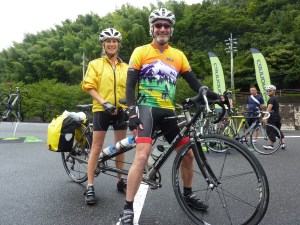
with friends Bill, Tracy, and their daughter, Pearl.
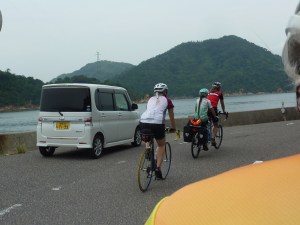
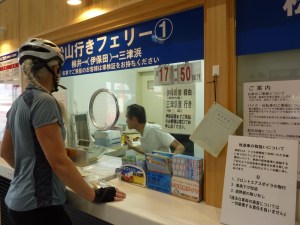
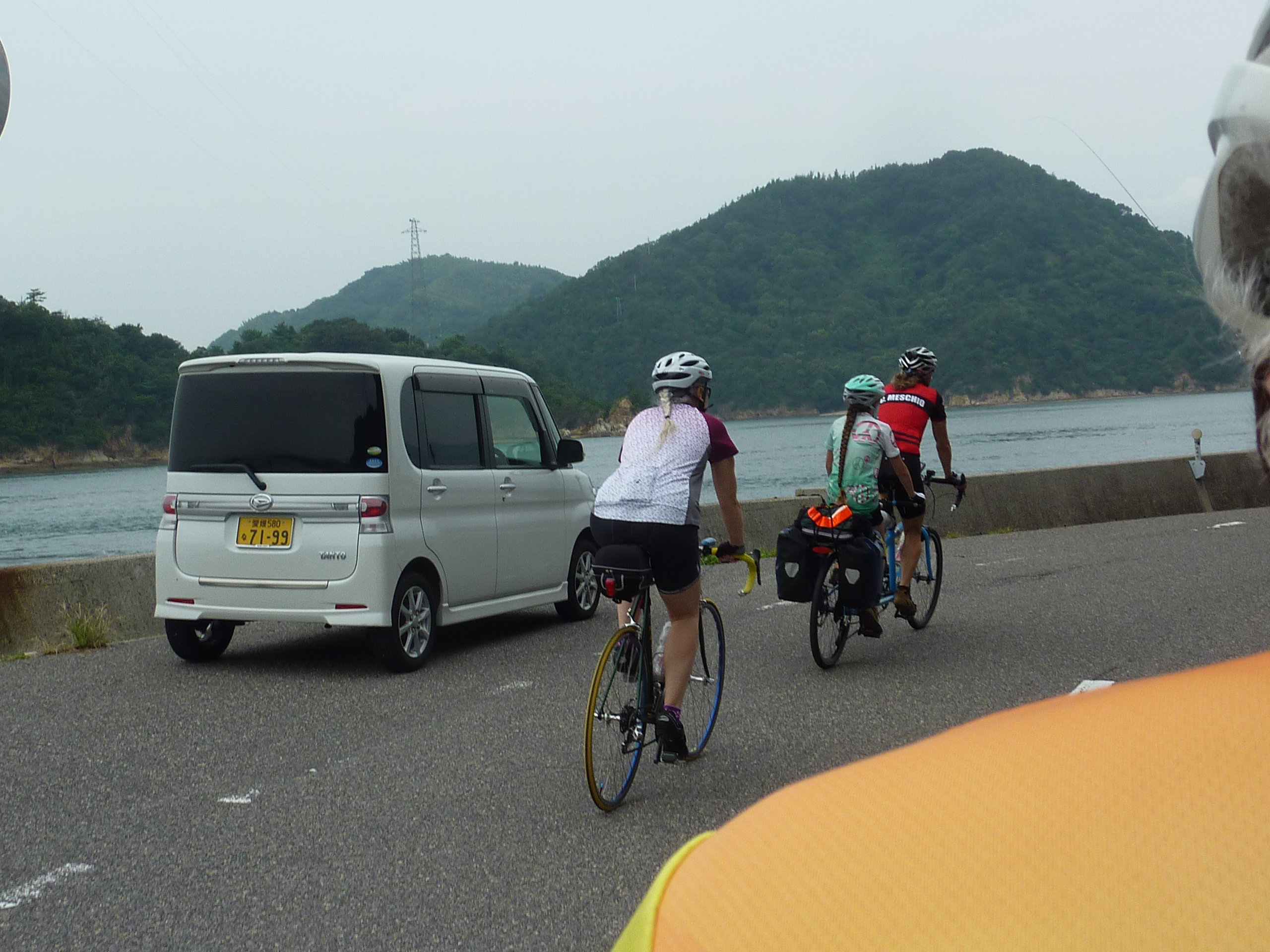
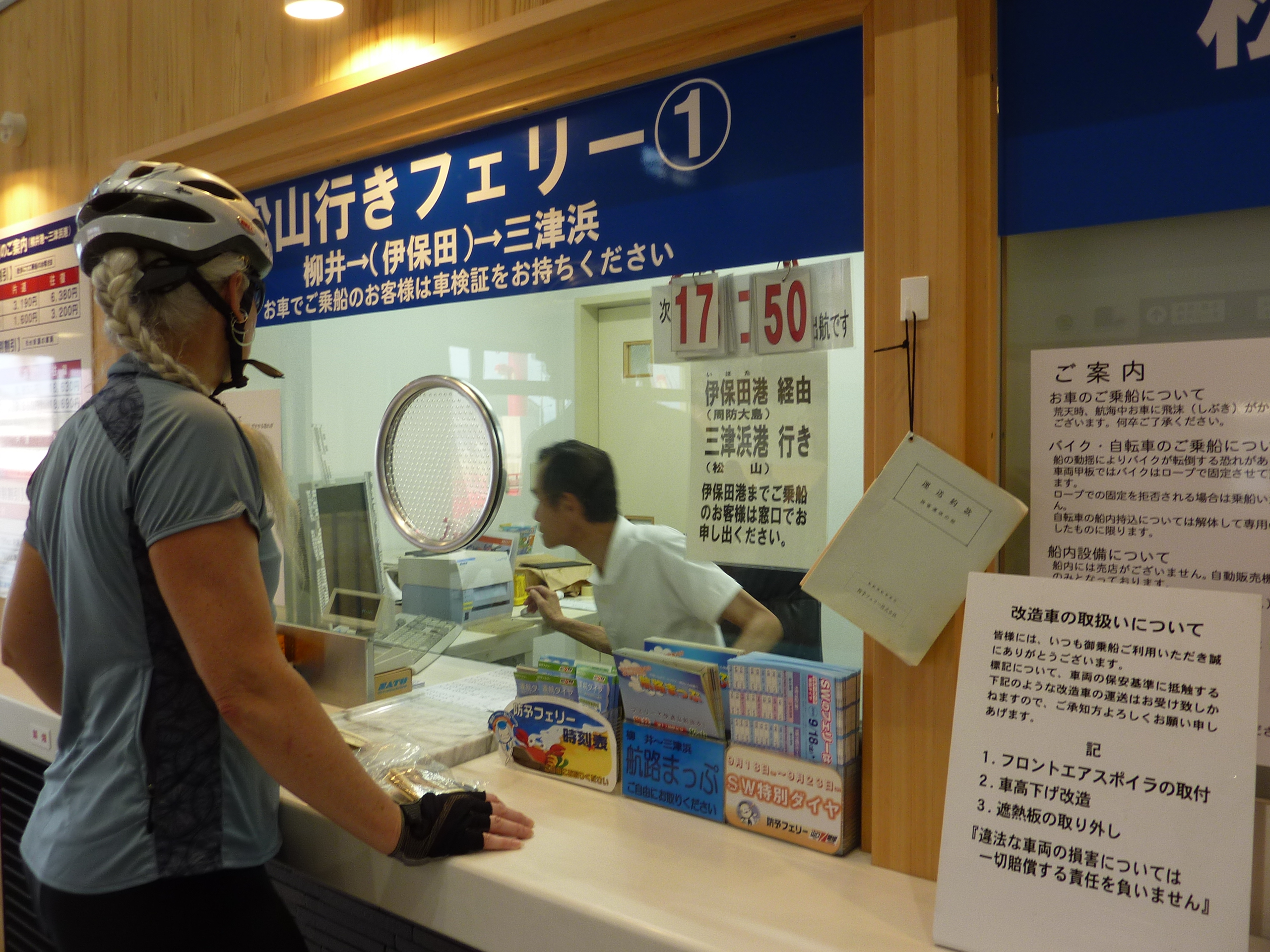
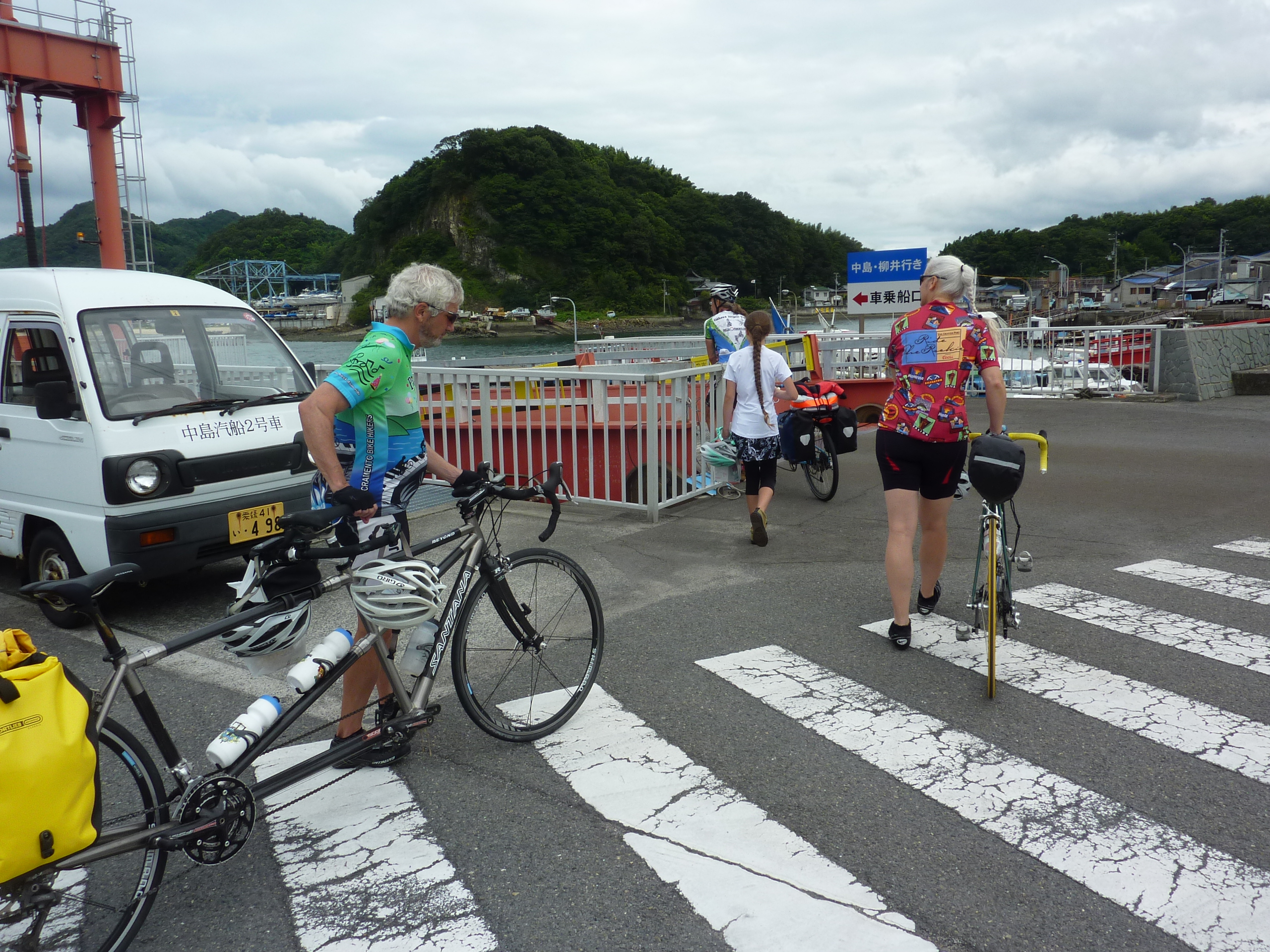
We left at 1600 Friday afternoon and biked to Yani, about an hour and a half south to catch the ferry to Imabari City. We’re always so thankful to be traveling with Tracy as she is fluent in Japanese. How do you say I want ferry tickets for 4 adults, 1 kid and 3 bikes in Japanese? There is nothing in English here.
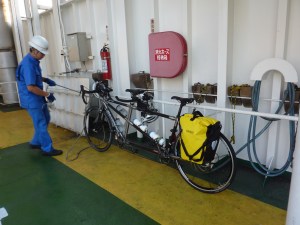
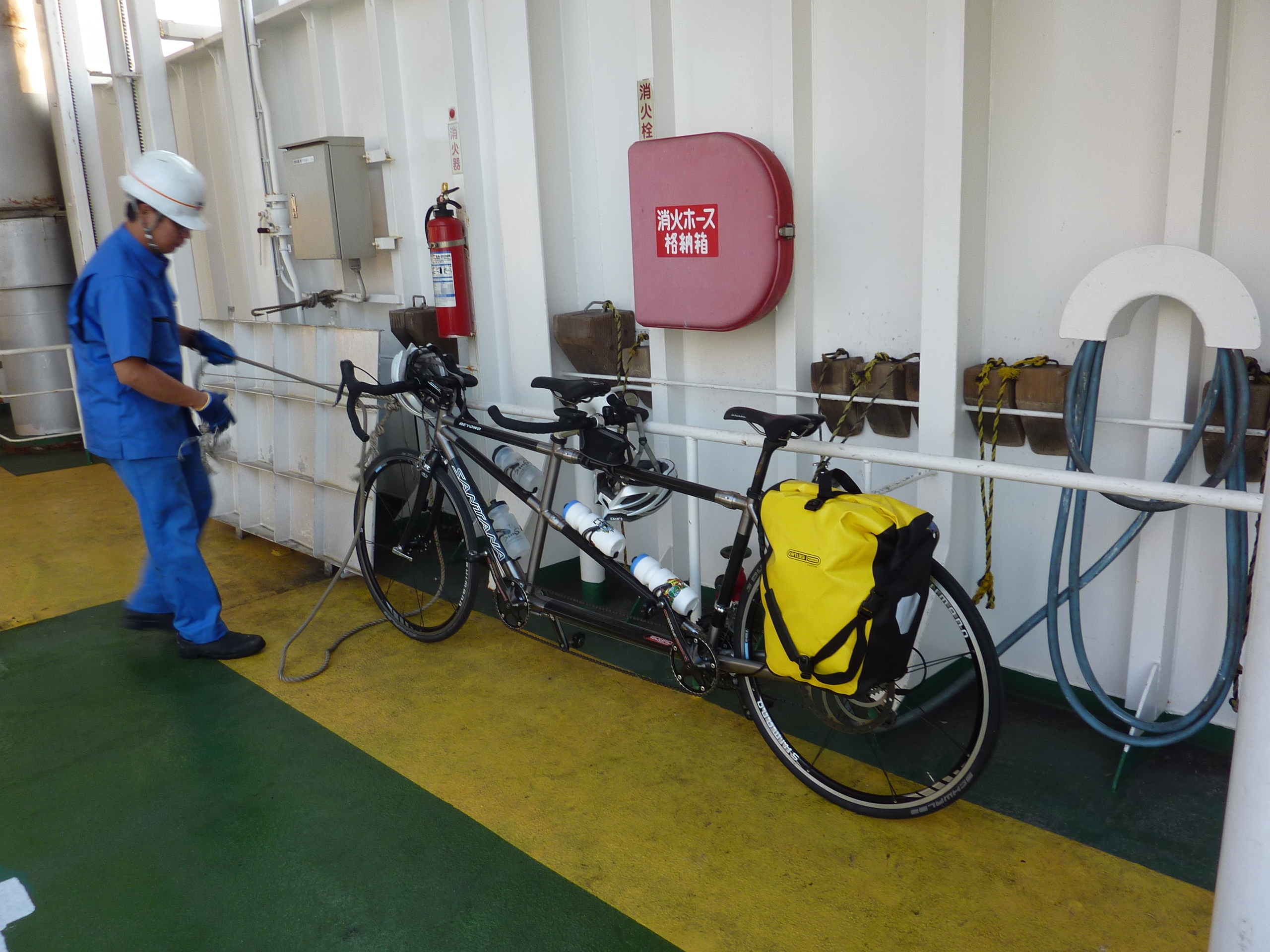
The ferrymen took very good care of our bikes, tying them down and even putting bumpers under the wheels so they wouldn’t roll away.
The ferry ride was 2.5 hours and it was dark when we rolled into our hotel for the night. We grabbed dinner (and beer) at the 7-11 before we boarded and ate on the ferry. I’m still trying to get used to going to 7-11’s for meals. But, amazingly, they have very fresh, delicious, sushi, ramen, rice balls, and all kinds of Japanese dishes.
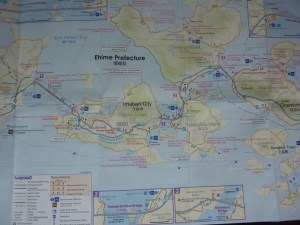
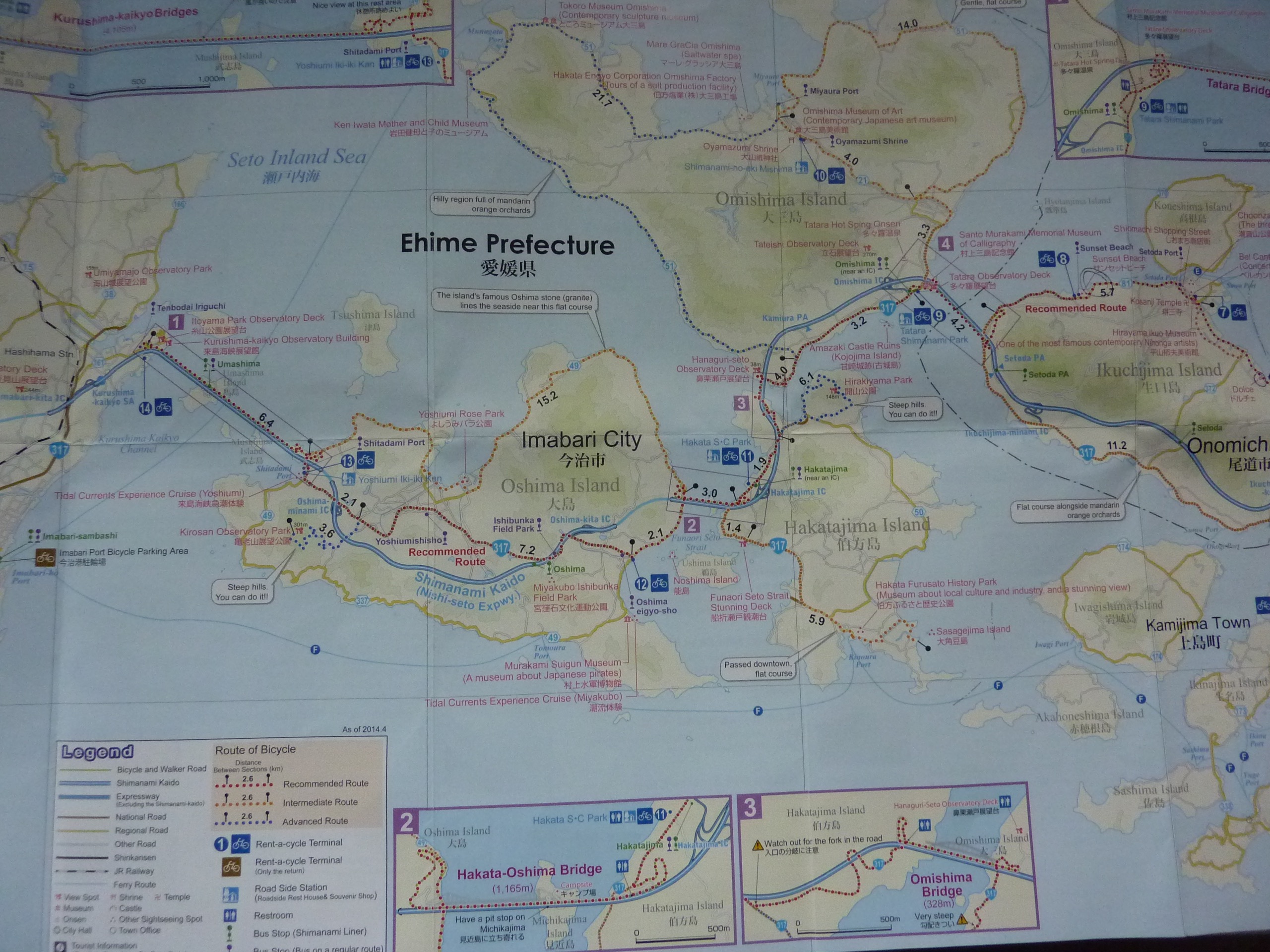
Anyway, this bike trip was incredible because it entailed crossing a lot of bridges and riding around several islands. The route we took, commonly known as the Shimanami Kaido, consists of nine bridges and links Hiroshima Prefecture to Ehime Prefecture. It was completed in 1999 and was designed to beautifully accommodate bicycles and pedestrians.
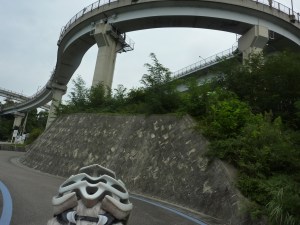
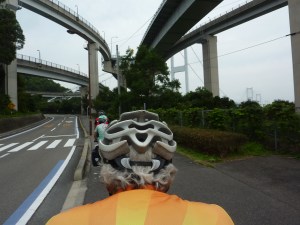
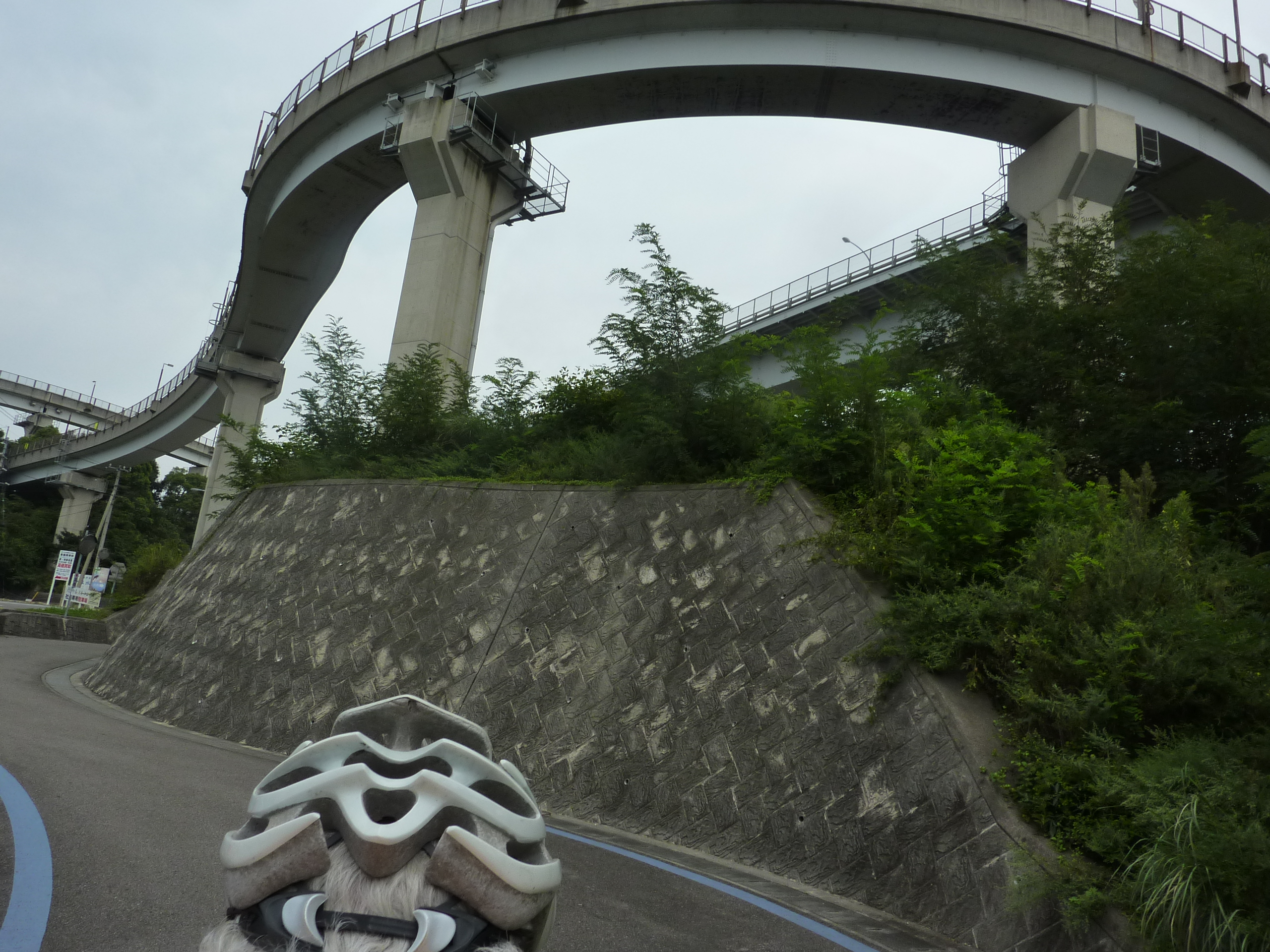
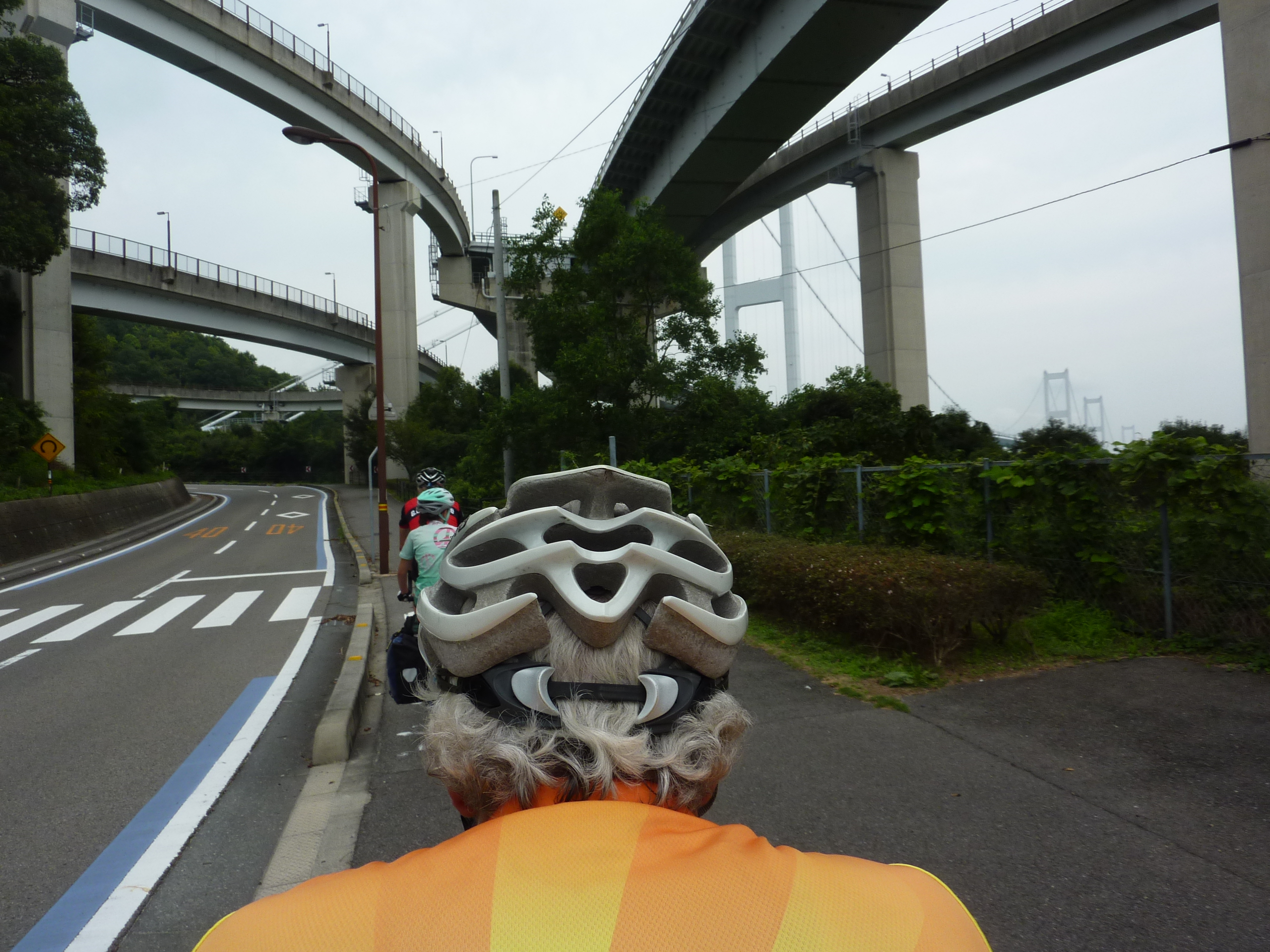
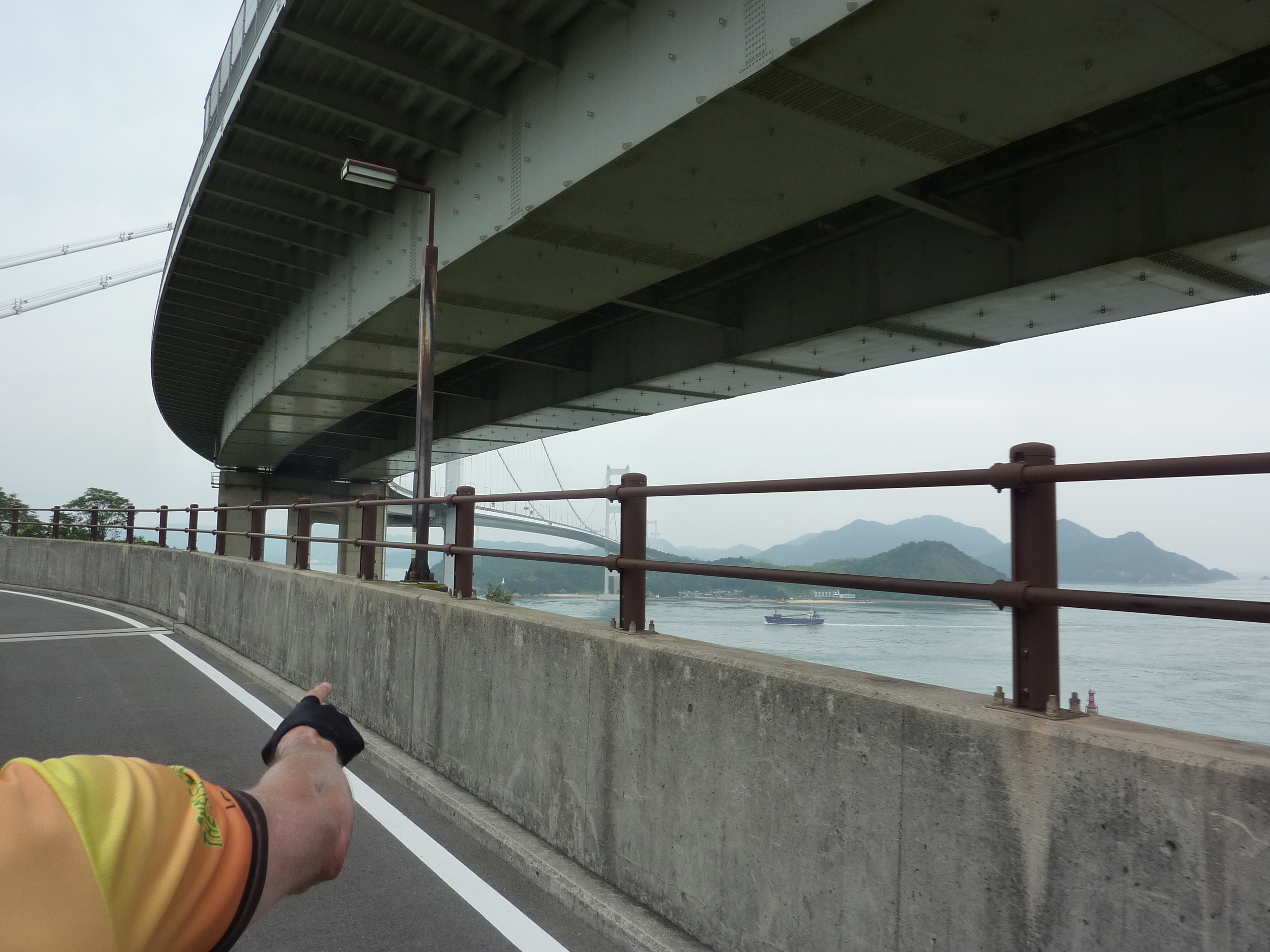
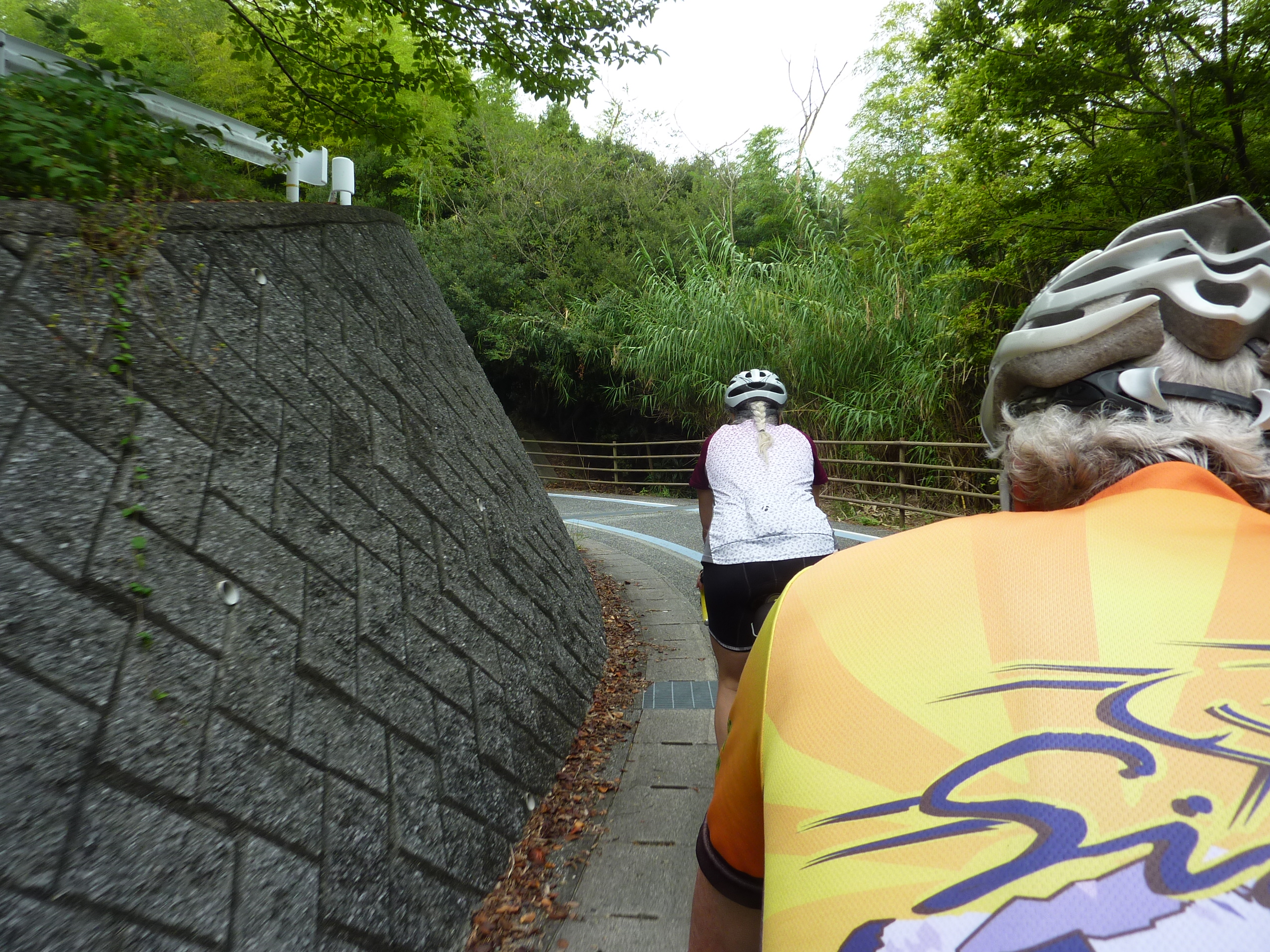
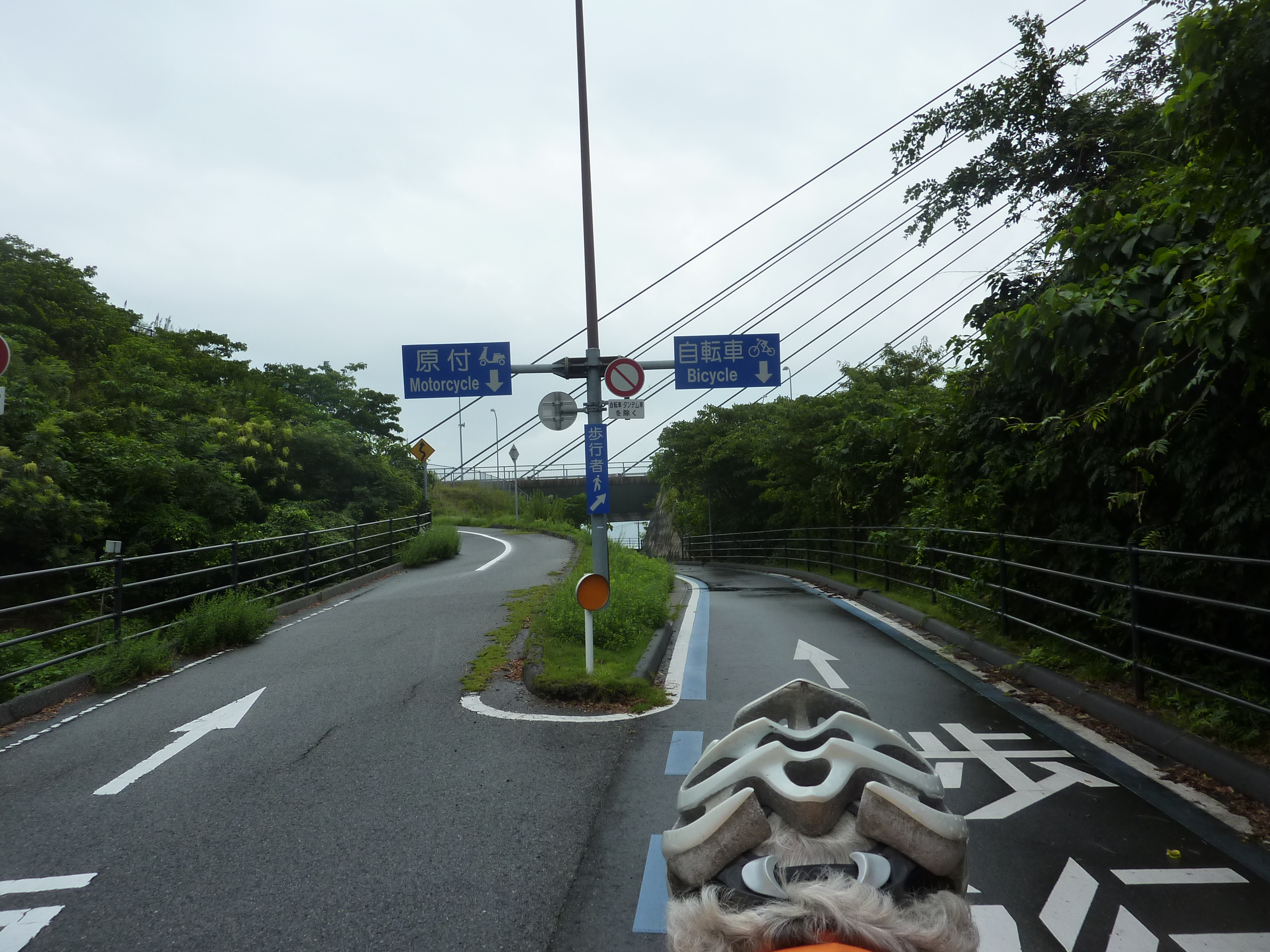
Every bridge is unique but the most amazing element is the access to the bridges for bikes and peds. There are long (sometimes 2-3 km) sweeping, spiraling paths at about 3% grade to get from sea level up to the bridge deck high overhead. Same thing coming off the bridges on the other side. Traveling between the bridges and across the islands, bikes follow a blue stripe painted along the shoulder of the road designating the bike route.
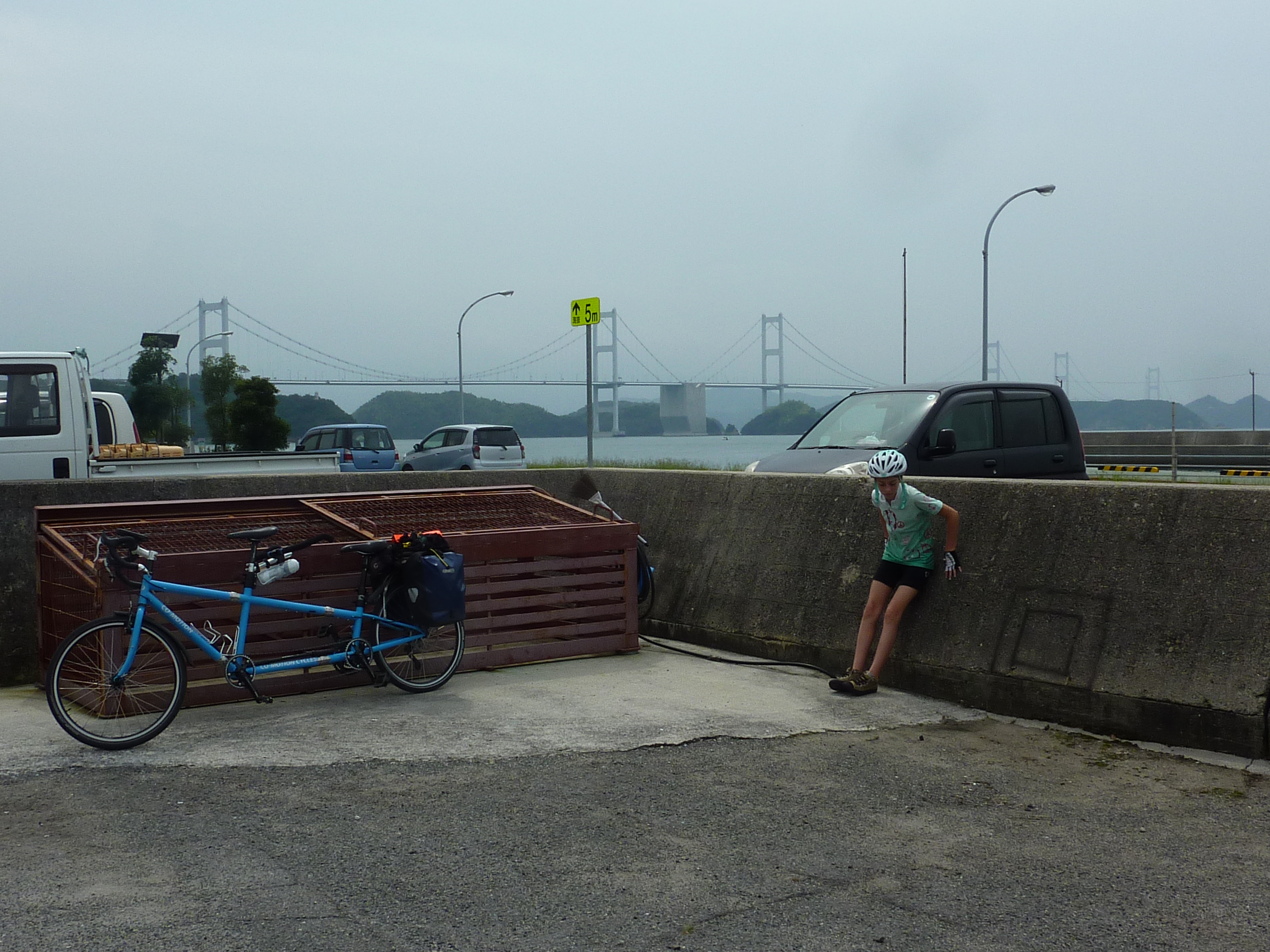
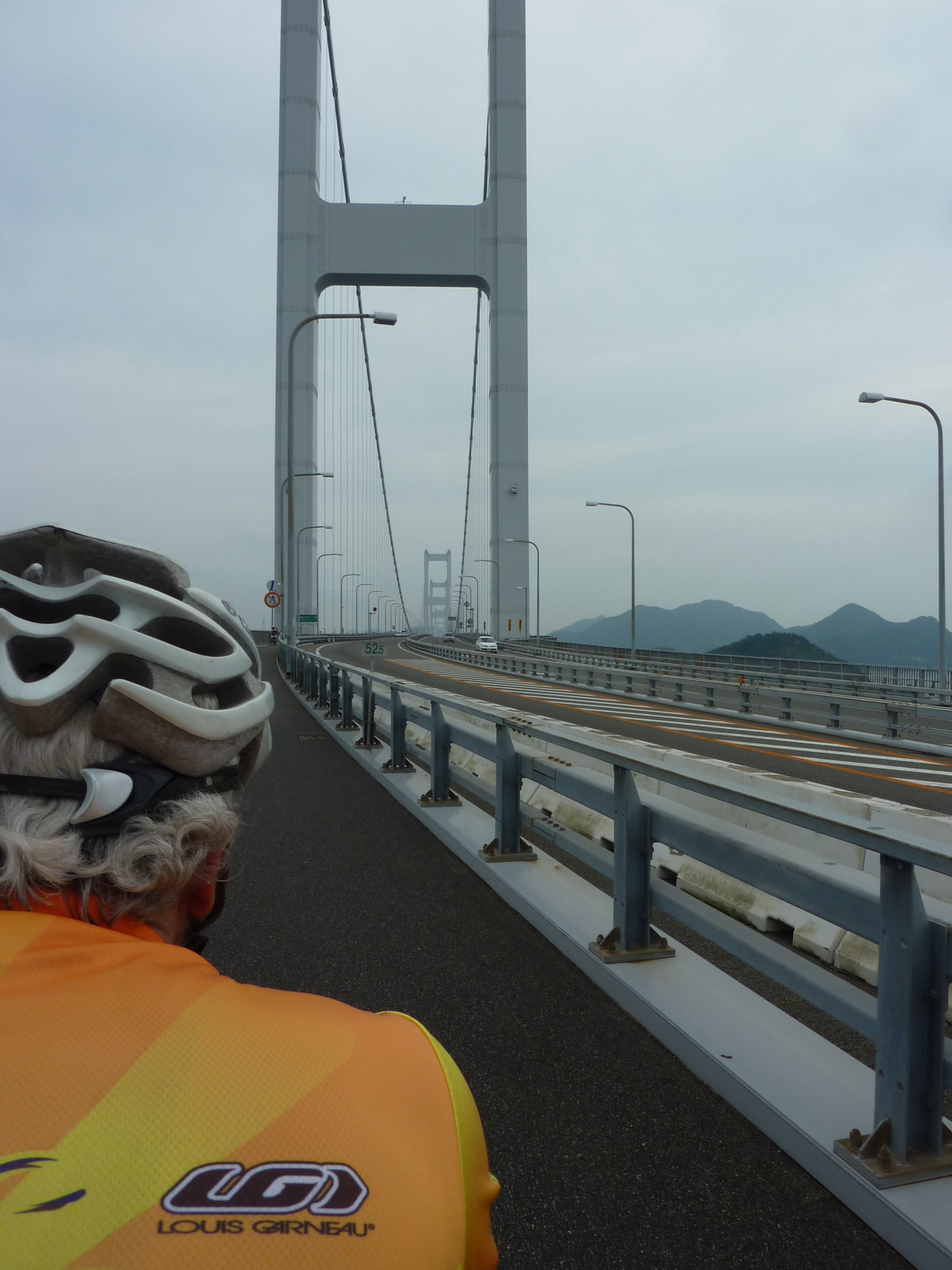
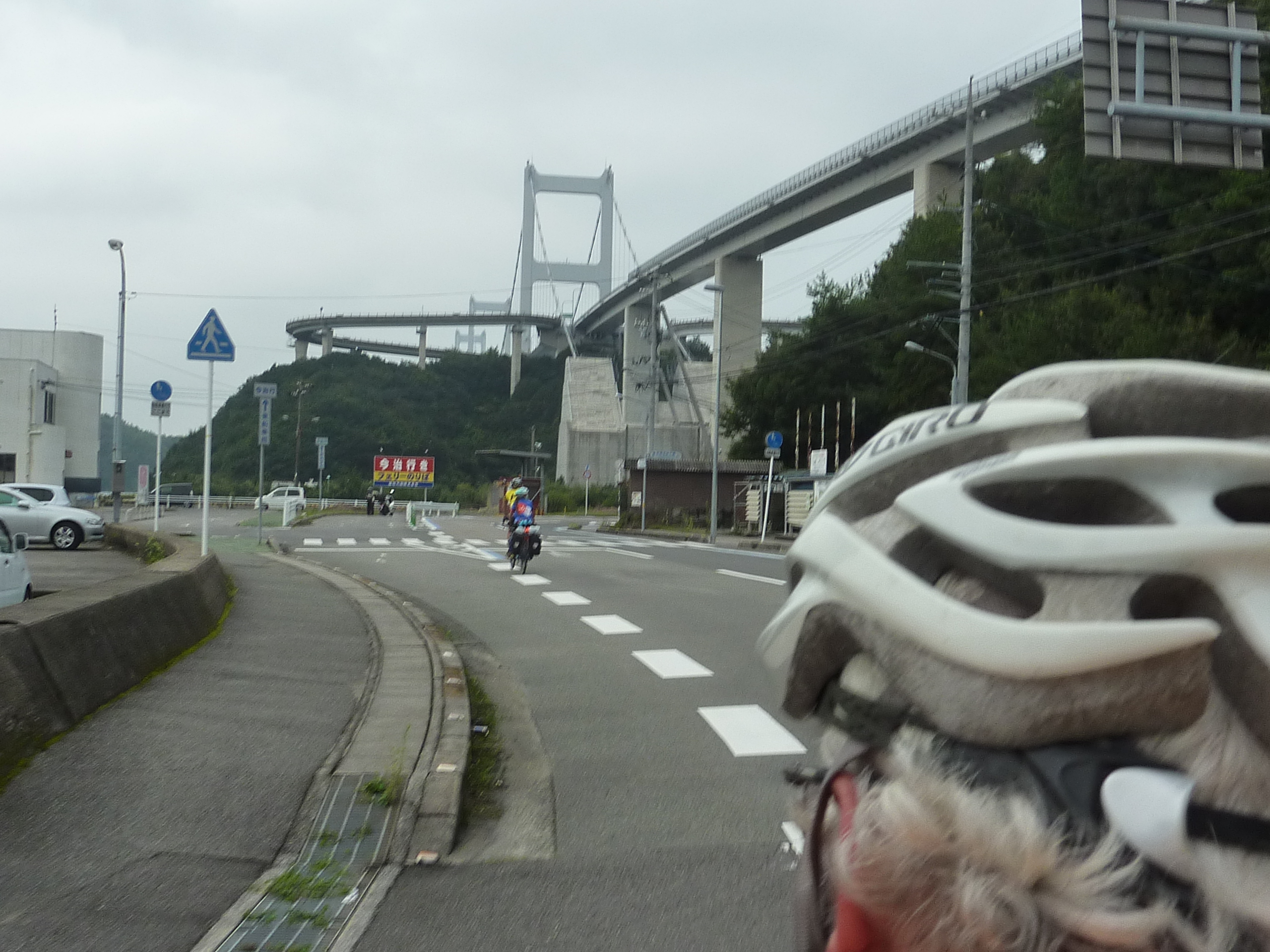
The first bridge we crossed on Saturday was the Kurushima-Kaikyō Bridge.
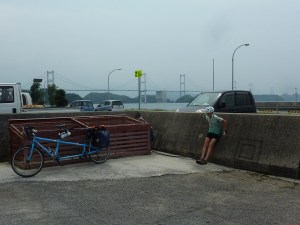
It consists of three successive suspension bridges with six towers and four anchorages. There is a shared anchorage that joins each suspension bridge to the next. Its construction is similar to the western portion of the San Francisco – Oakland Bay Bridge which is two successive suspension bridges with four towers and one shared anchorage. The bridge’s total length is 4,015 meters (13,173 ft).
It’s hard to image the bike routes up to these bridges. I tried and tried to photograph them but it’s just impossible. You just gotta see it to believe it.
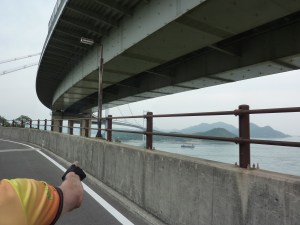
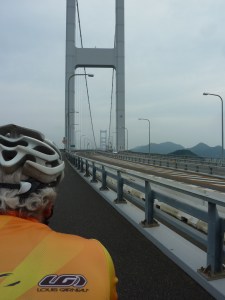
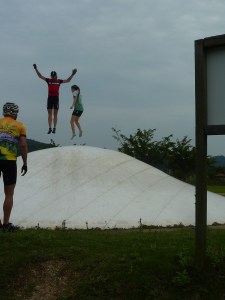
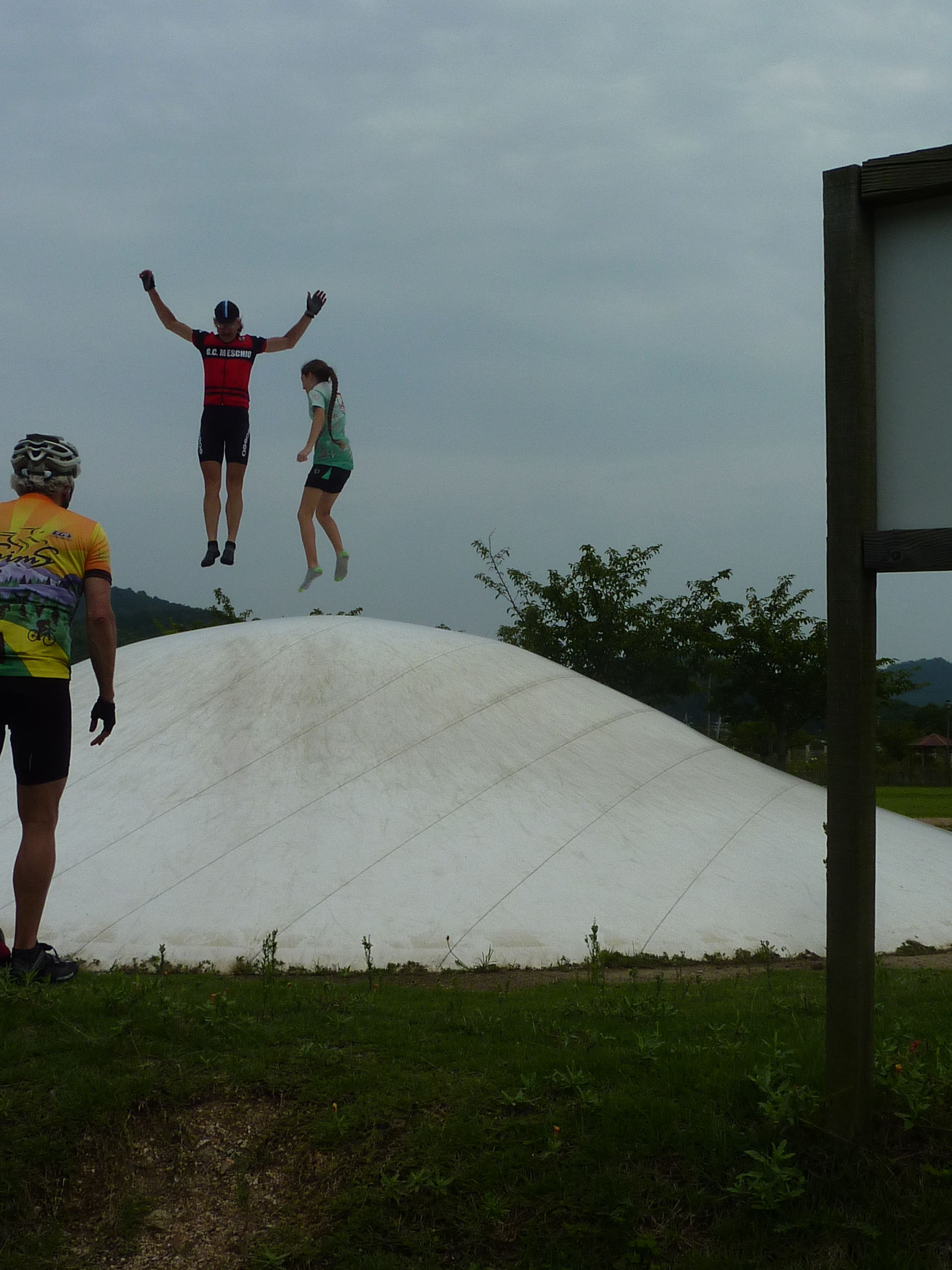
This bridge took us to Oshima Island. On our way around the island we stopped at the Yoshiumi Rose Park for – ice cream of course – and while there discovered a playground with this crazy trampoline dome bulging out of the ground.
Then it was off to the Hakata-Oshima Bridge and Hakatajima Island. This one consists of 2 bridges, the Hakata Bridge, a girder bridge with a total length of 325m, and the Oshima Bridge, a suspension bridge with a total length of 840m and a center span of 560m. Hakata Bridge is the first long bridge with steel box girders in Japan.
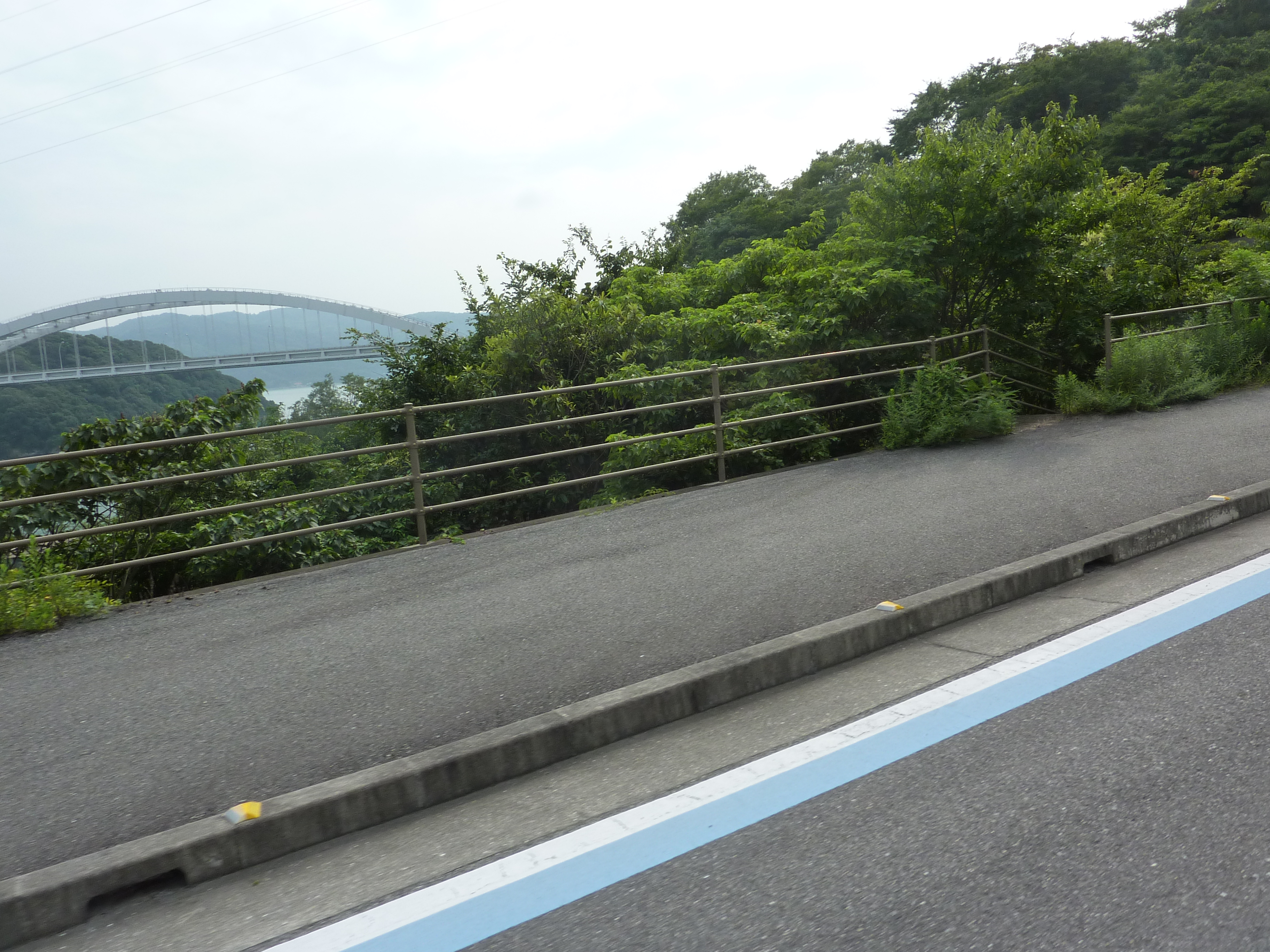
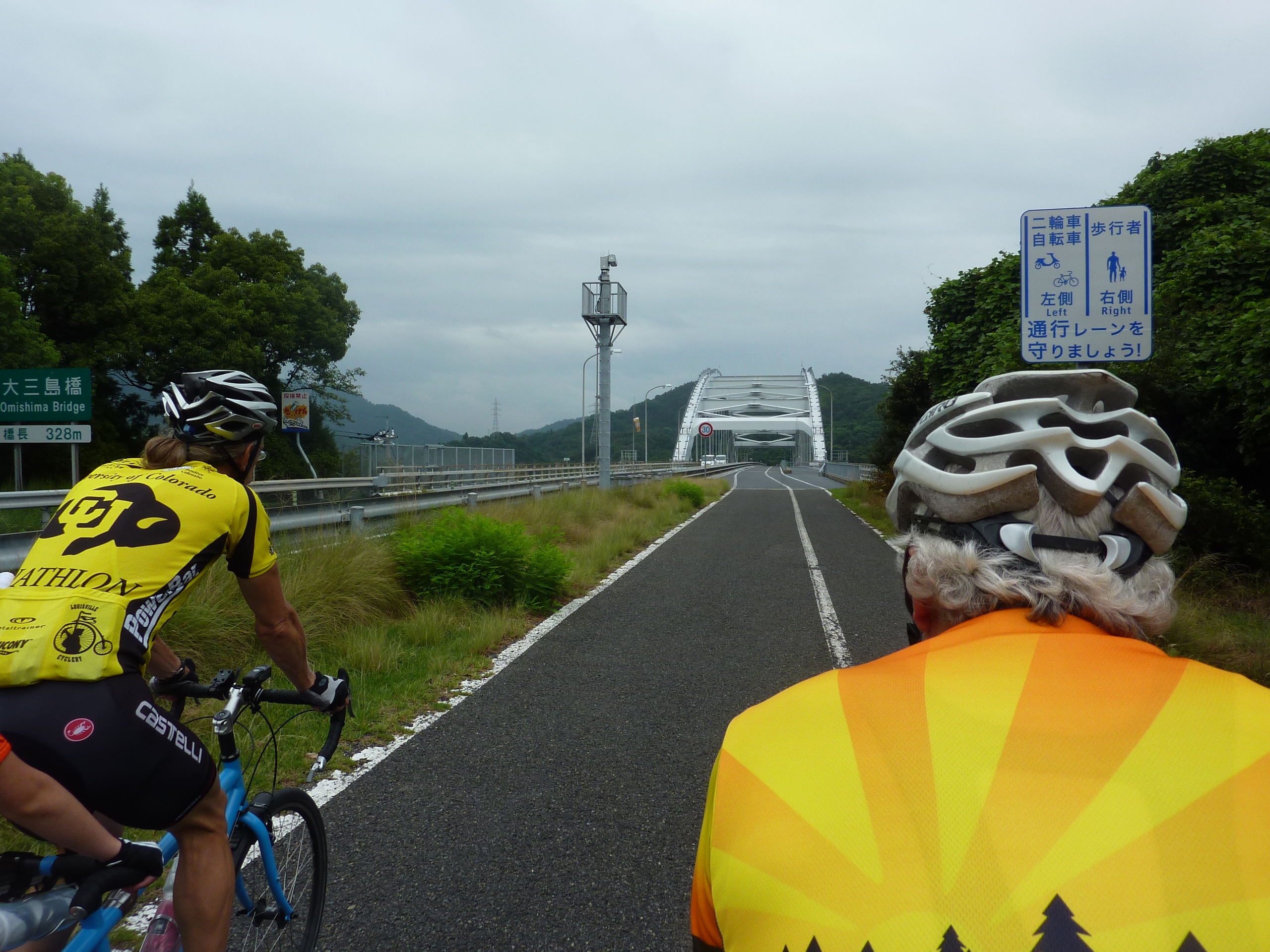
A short ride across Hakatajima Island and across Omishima Bridge.
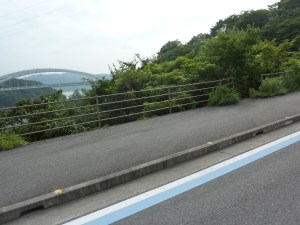
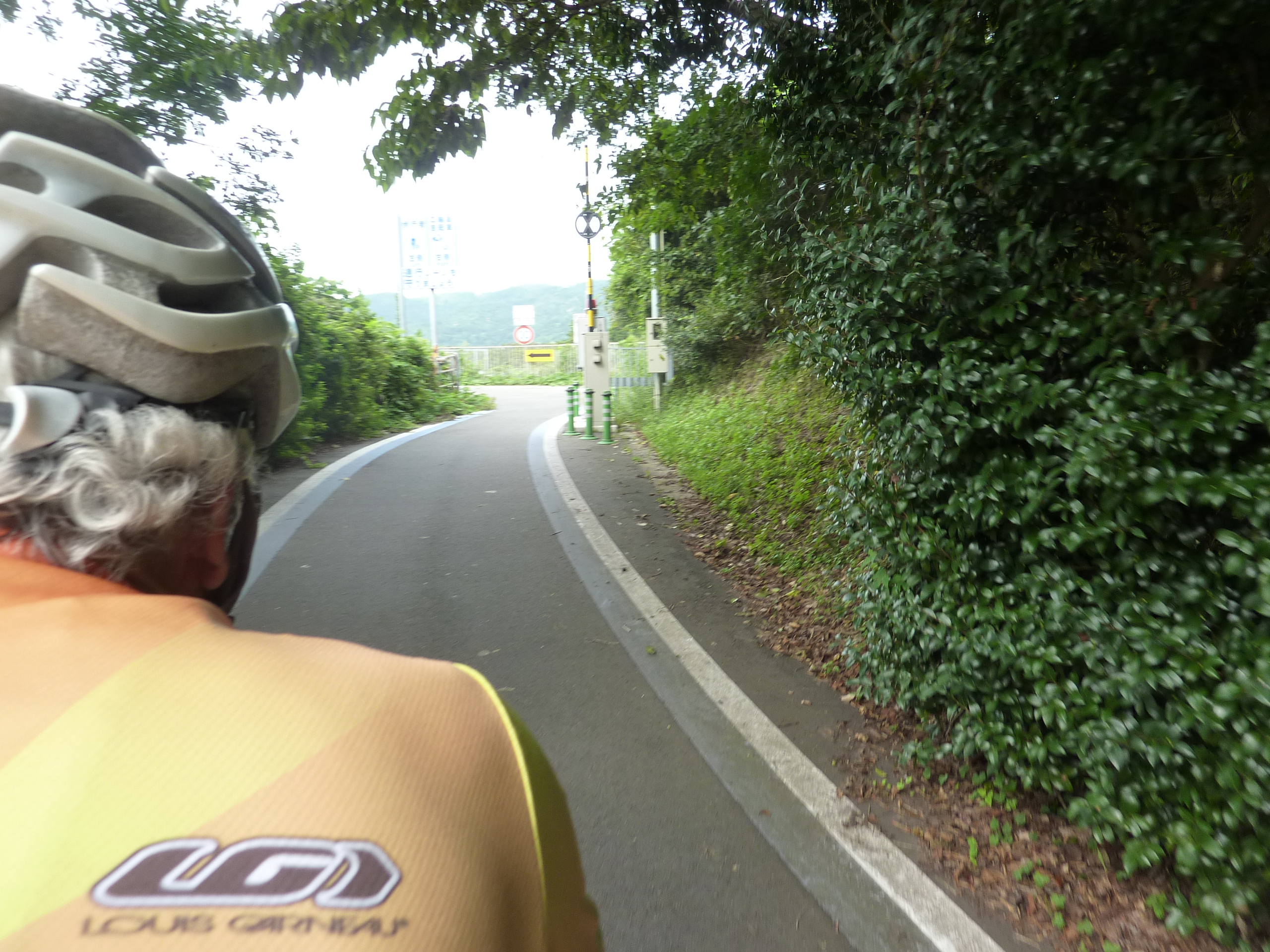
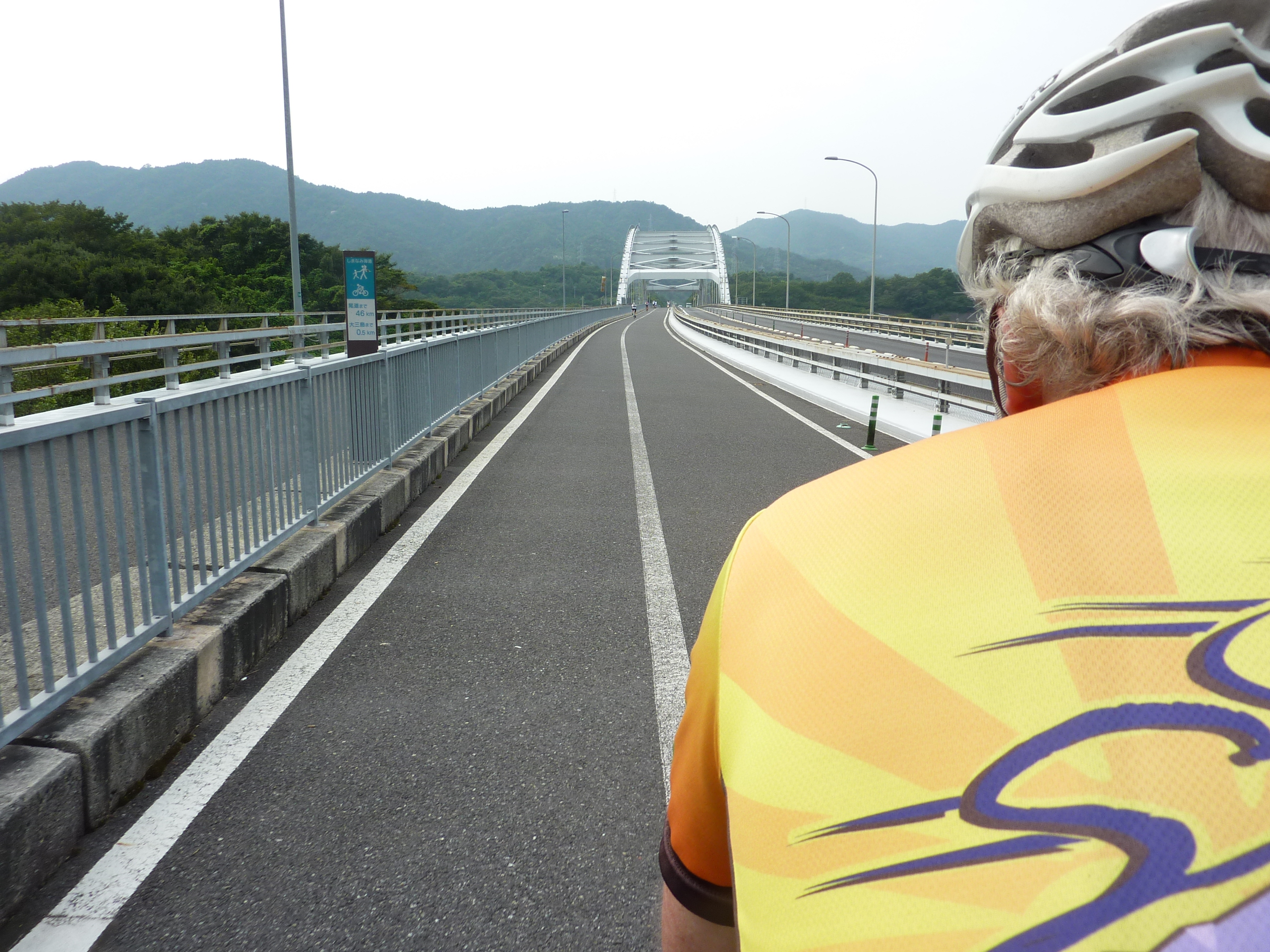
This is the only arch bridge on the route and although the total length is only 328 m it is the longest arch bridge in Japan. Here’s the bike path to the bridge
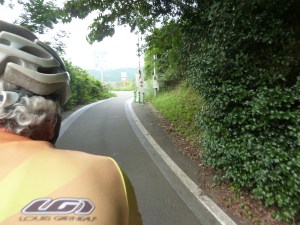
merging on to the bridge
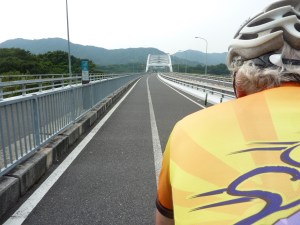
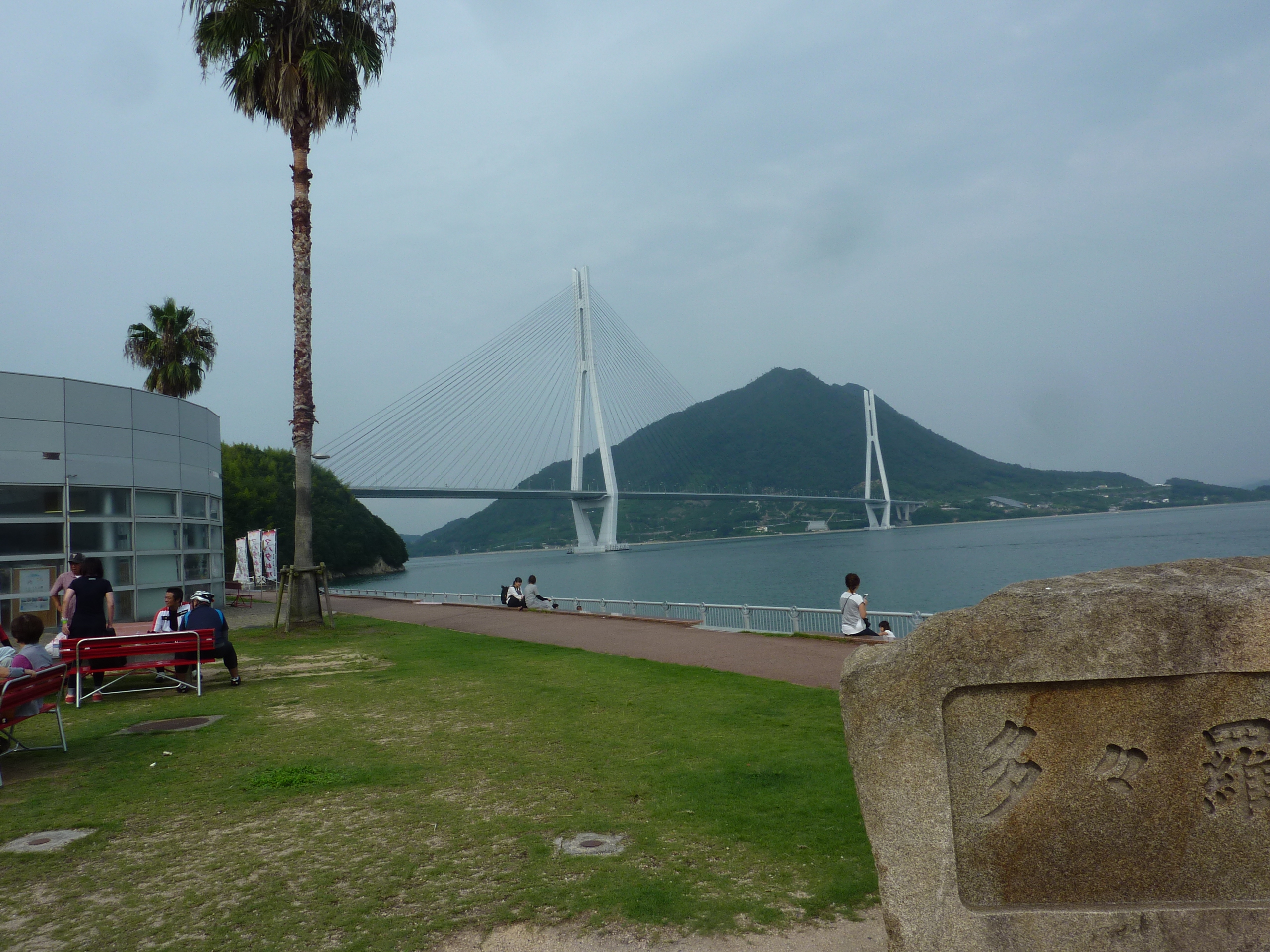
From here we biked along the shore of Omishima Island to the coolest bridge of all – the Tatara Bridge. But before telling you about this special bridge, we stopped at Tatara Shimanami Park or the Cyclers Sanctuary, a place for renting bikes,
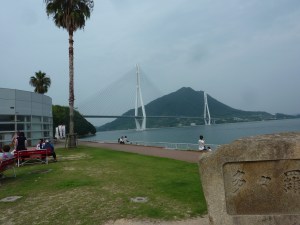
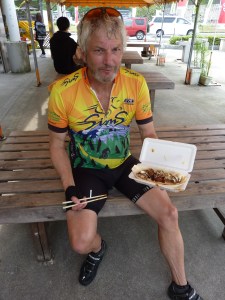
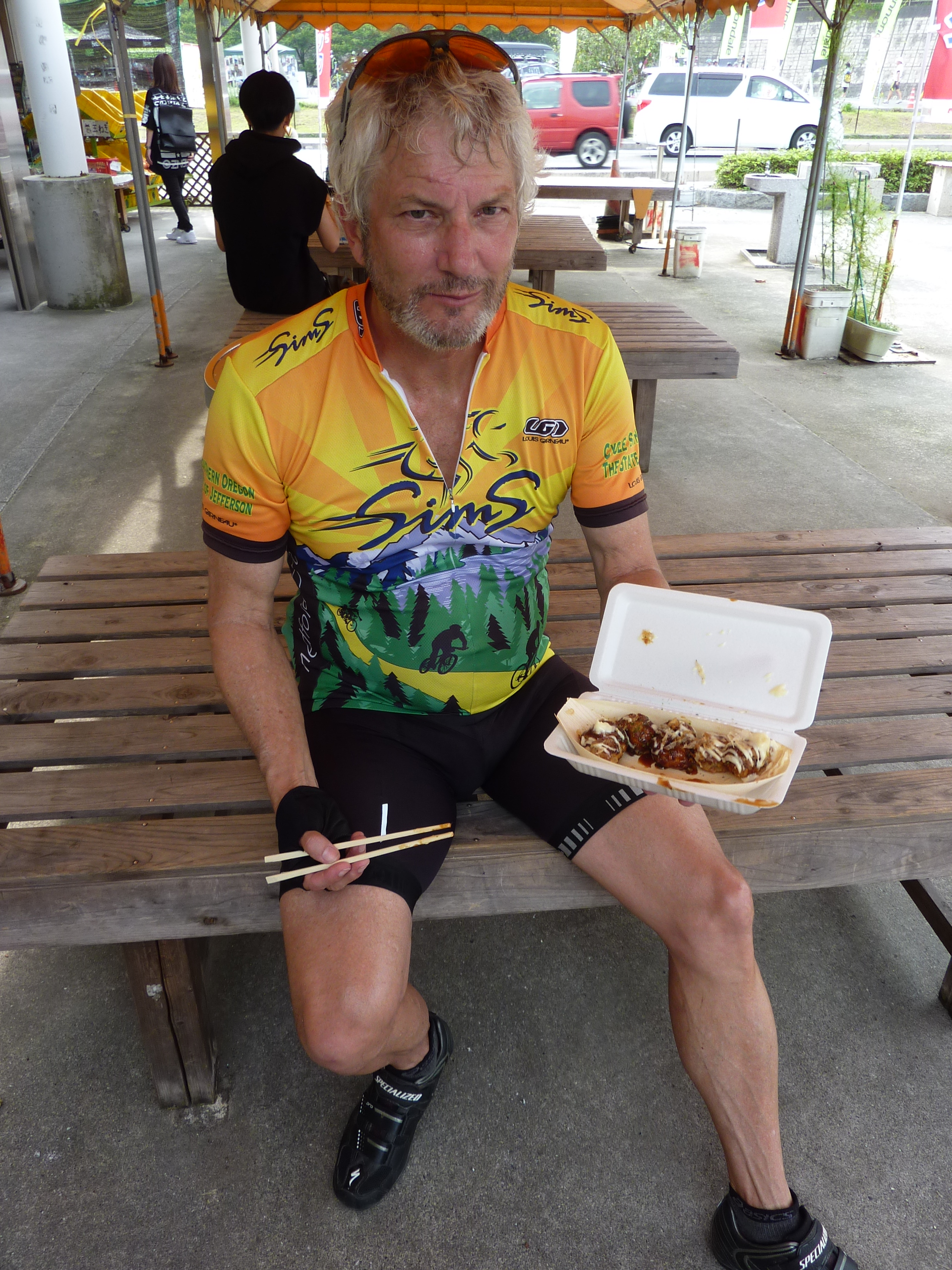
getting food – like our fav – fried octopus balls
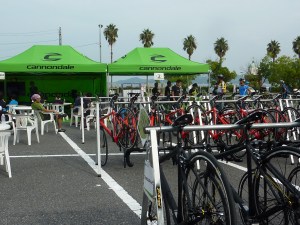
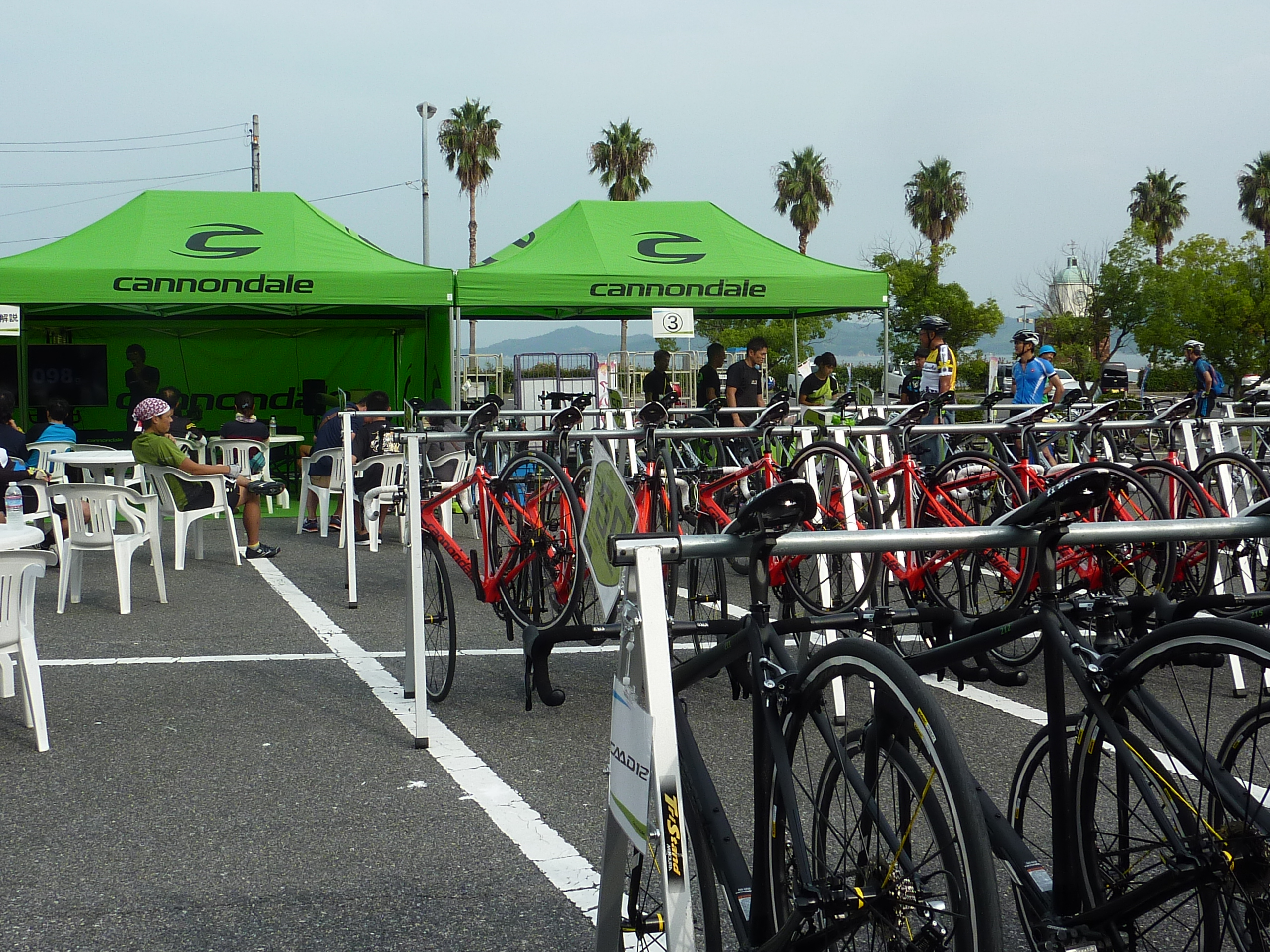
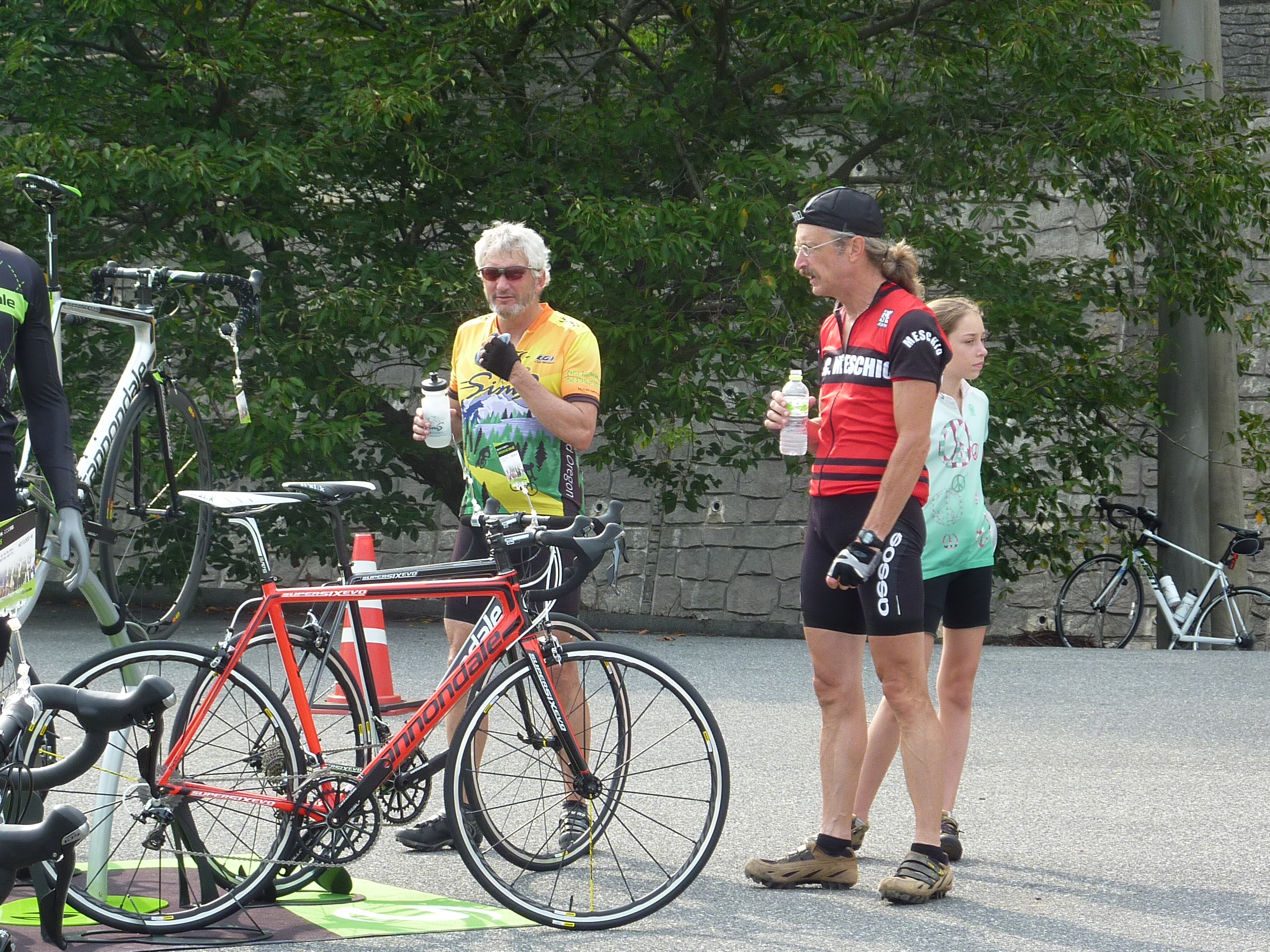
and would you believe there was even a Cannondale Test Ride event set up across the street.
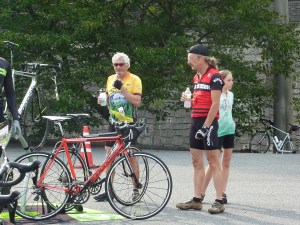
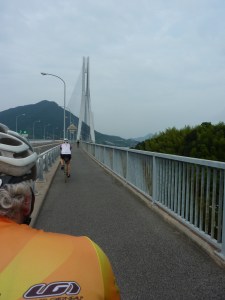
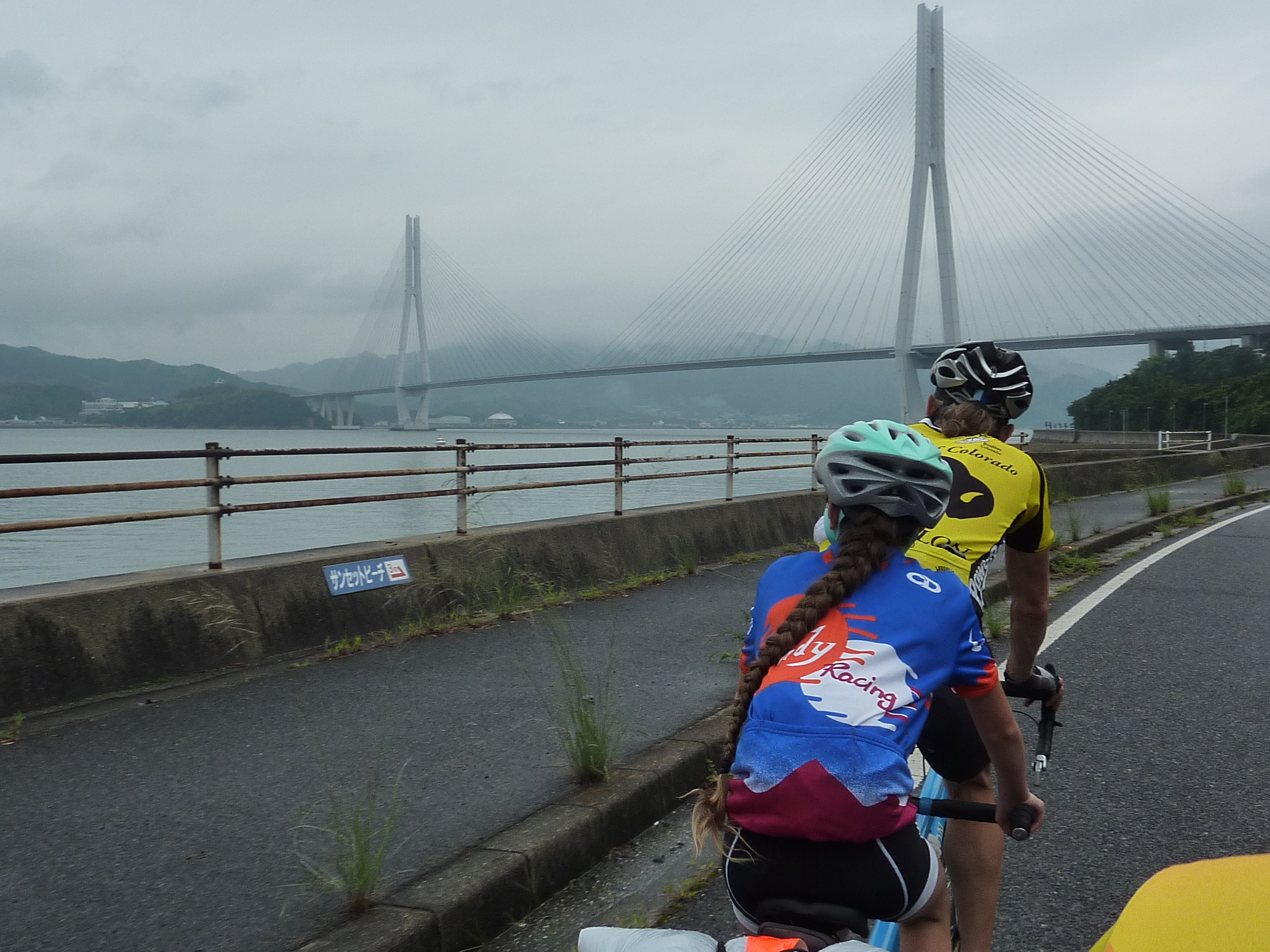
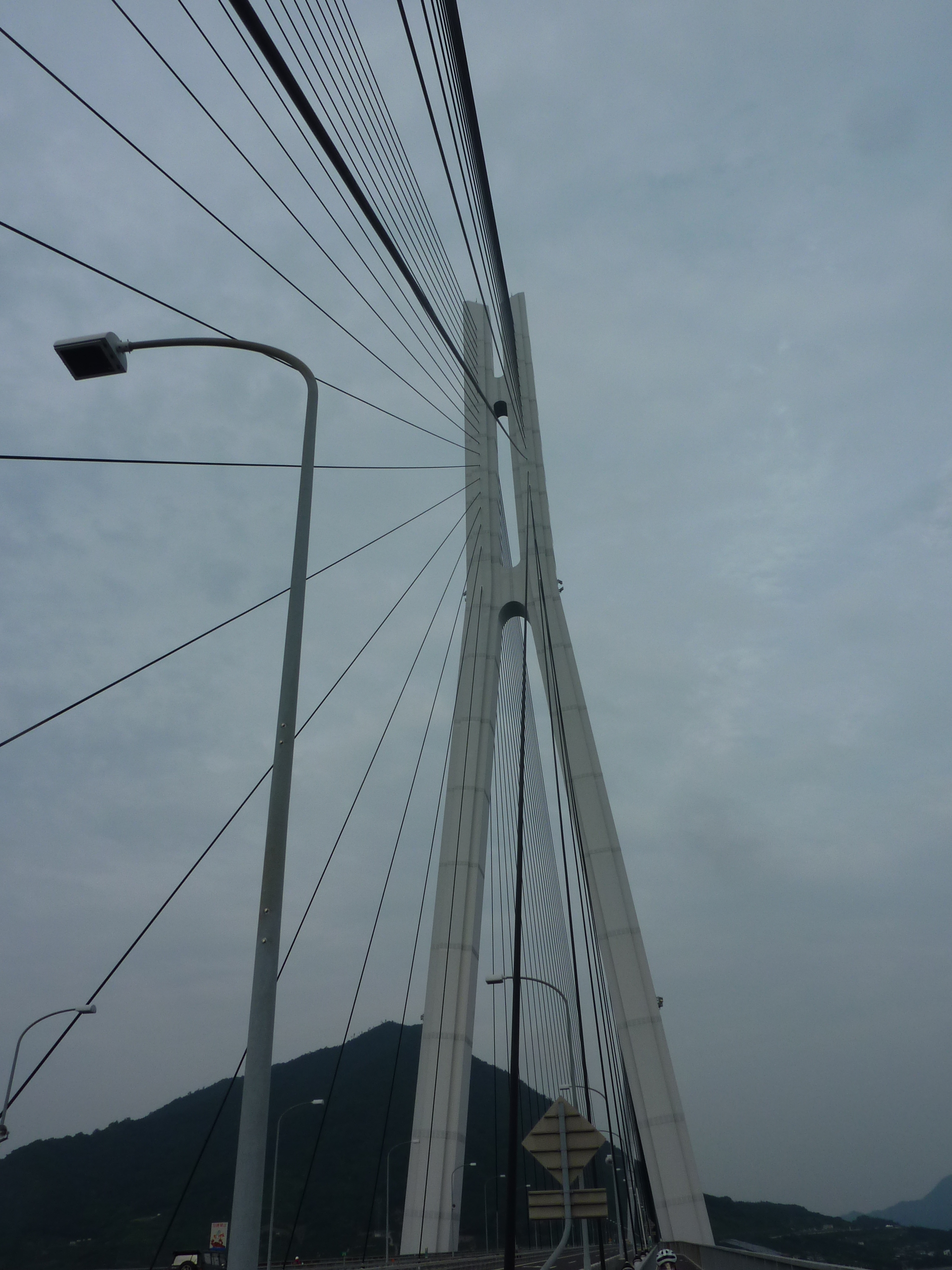
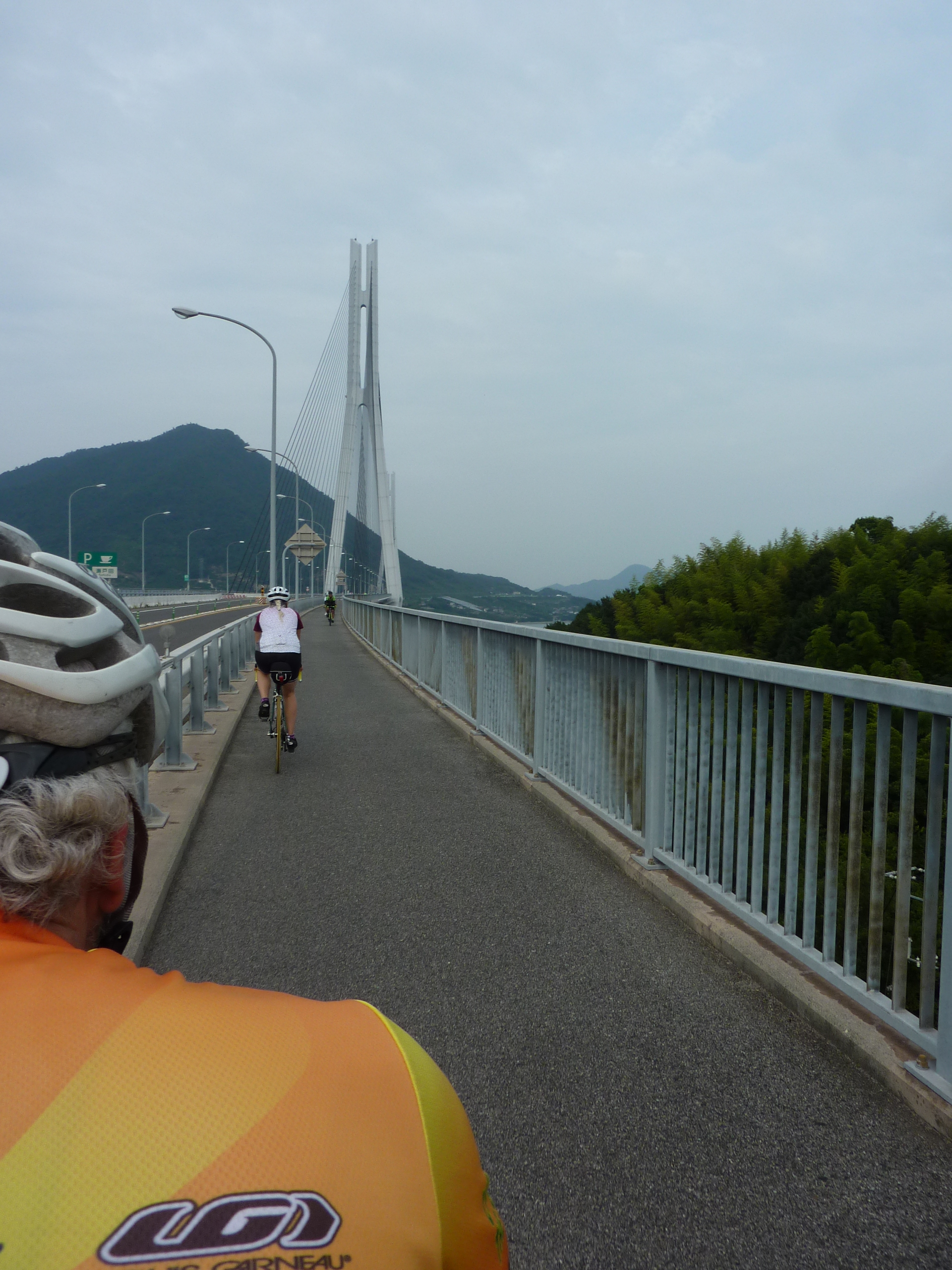
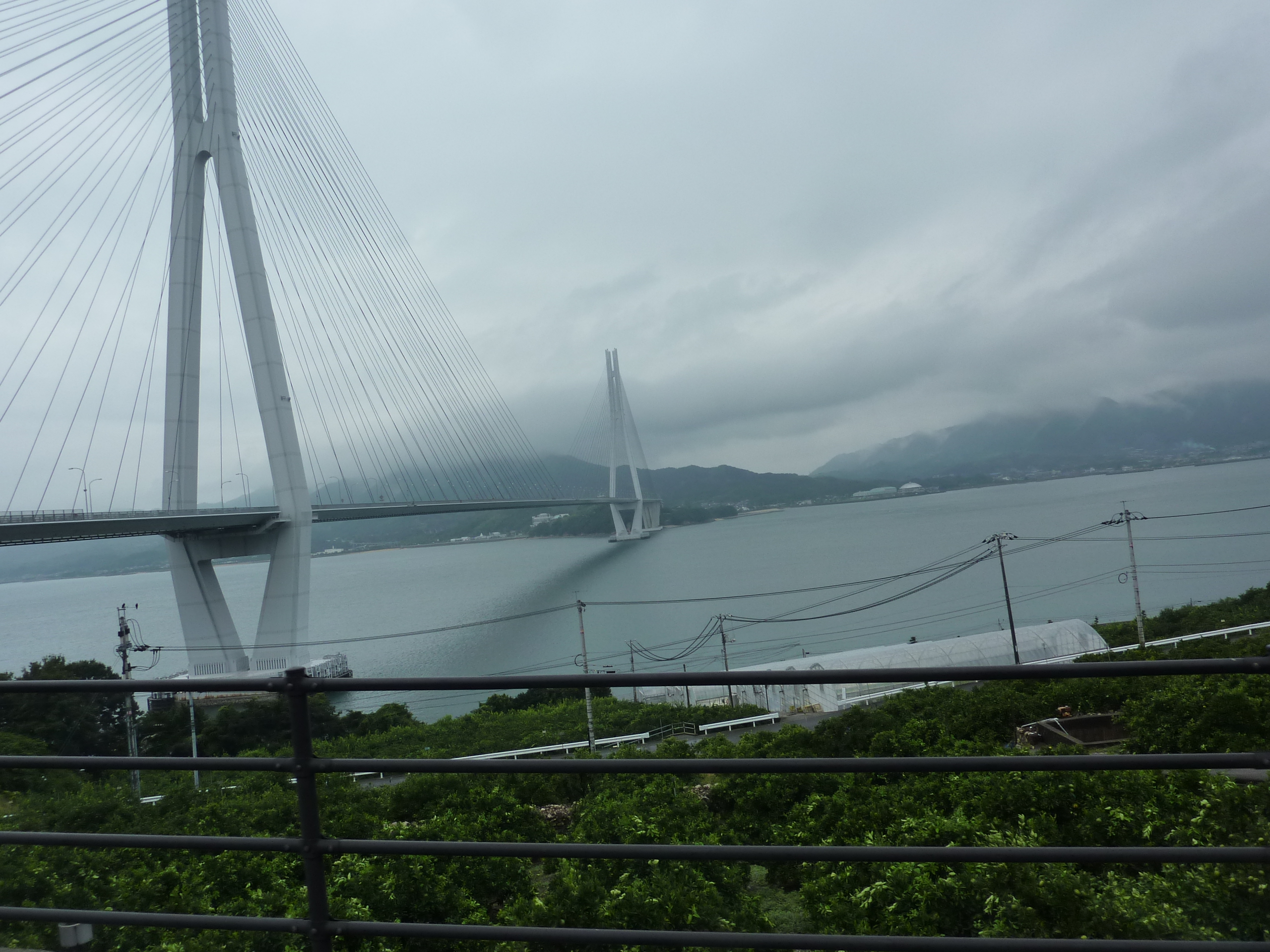
Now, back to the Tatara Bridge. It was the longest cable-stayed bridge in the world when it was completed in 1999. The bridge has a center span of 890 meters (2,920 ft). It is a steel-box-girder cable-stayed bridge, with a semi-fan cable-stay arrangement.
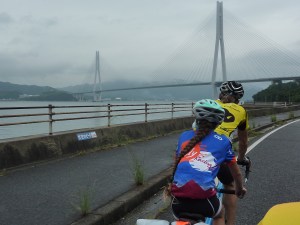
The 222-m-tall towers are inverted Y-shaped steel structures, with slits in the upper towers for aesthetics as well as aerodynamics.
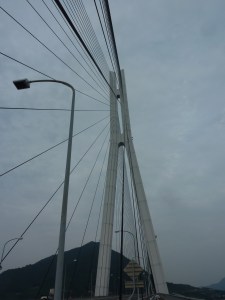
(Side note: The Tatara Bridge was originally planned as a suspension bridge in 1973. In 1989, the design was changed to a cable-stayed bridge with the same span. By building a cable-stayed bridge a large excavation for an anchorage would not be needed, thereby lessening the environmental impact on the surrounding area. Construction of the bridge took a little more than six years and was accomplished without any accidents. Many technological advancements were part of the design and testing of the bridge.)
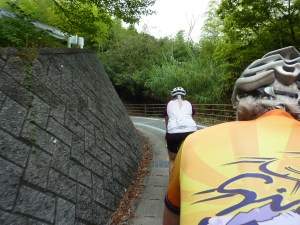
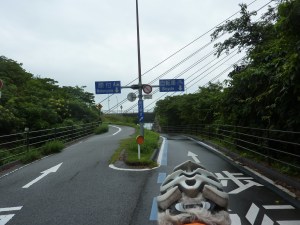
Taking the bike path up to the bridge
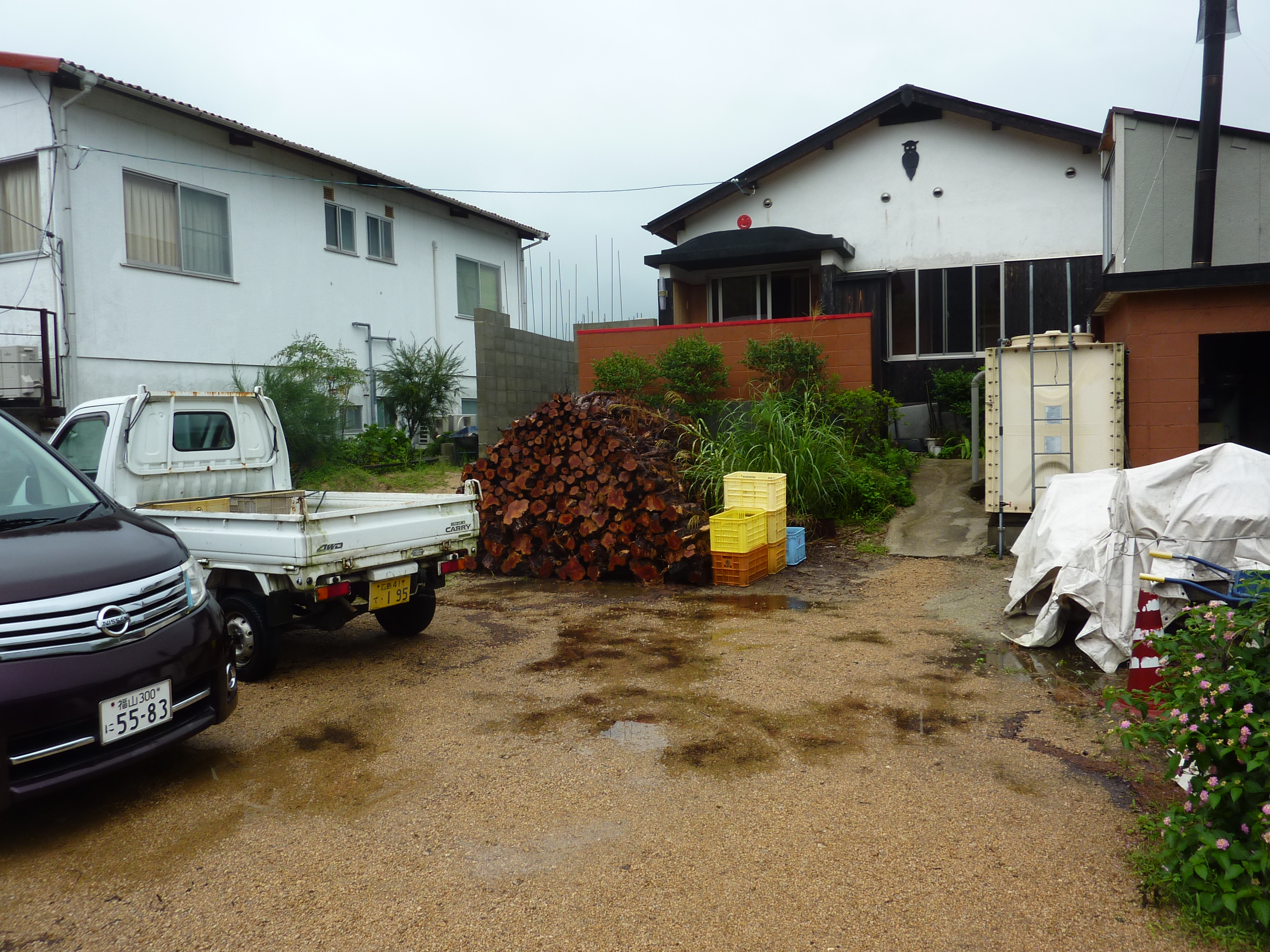
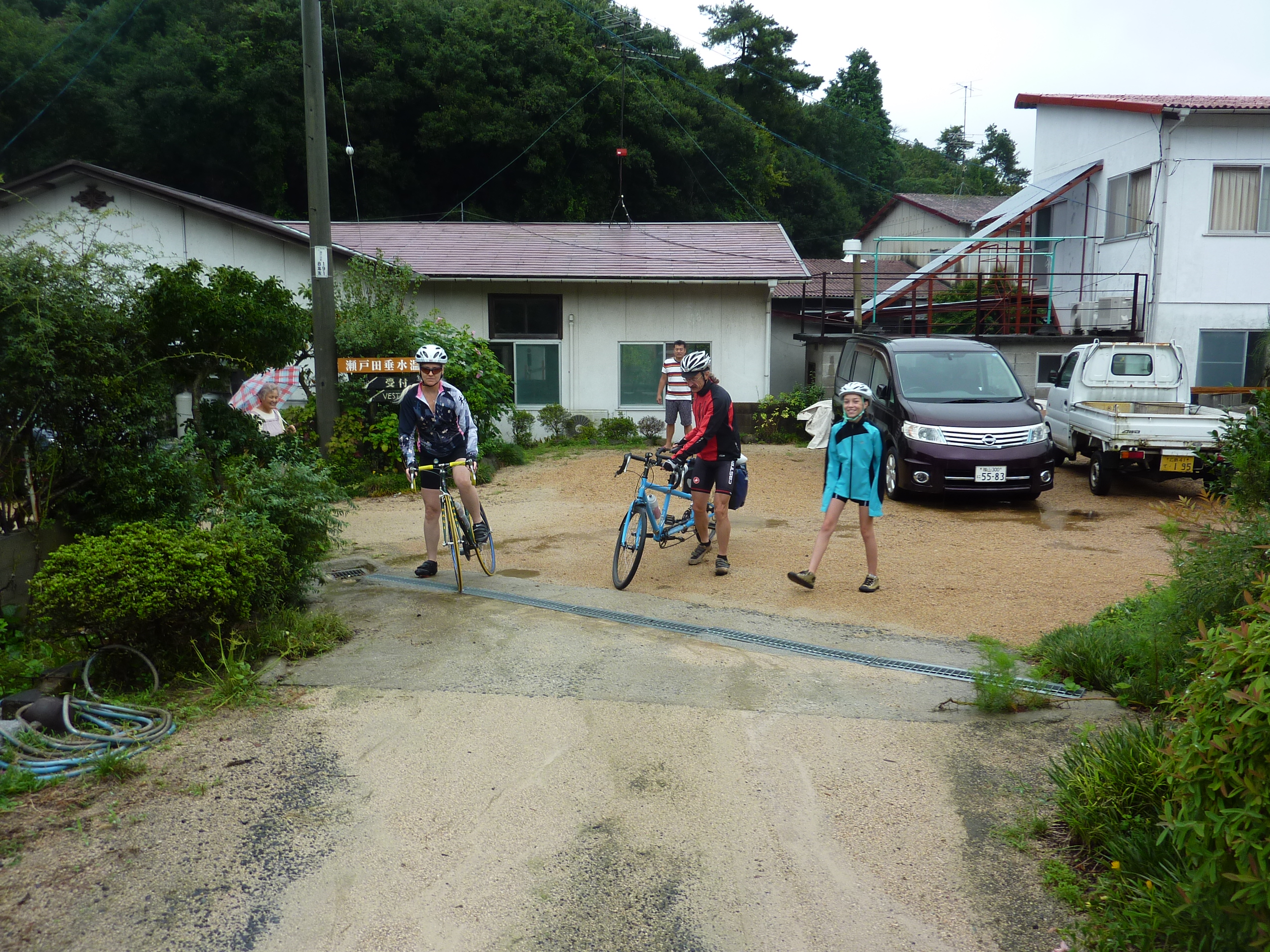
At last we settled in to our funky onsen for the night
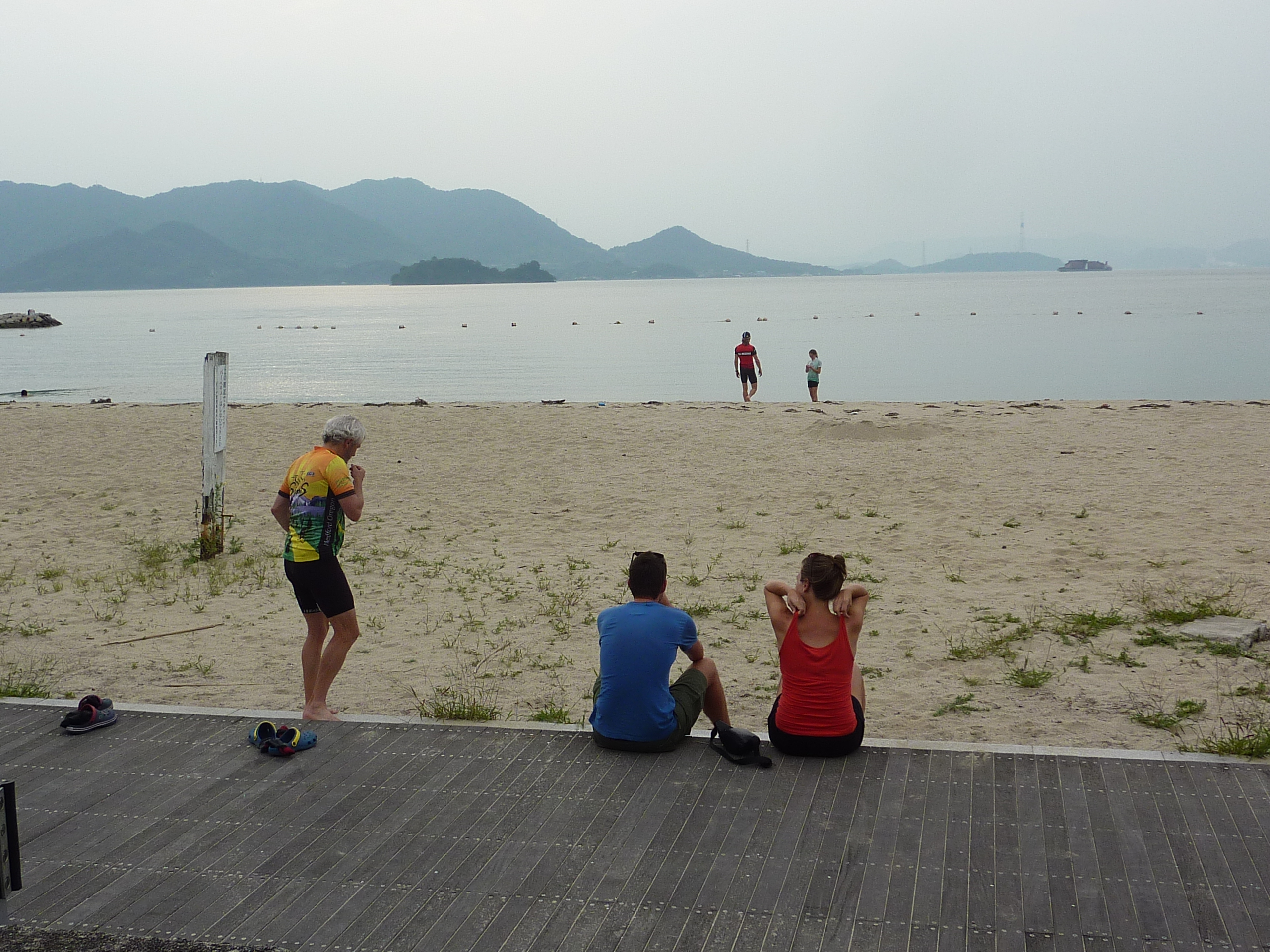
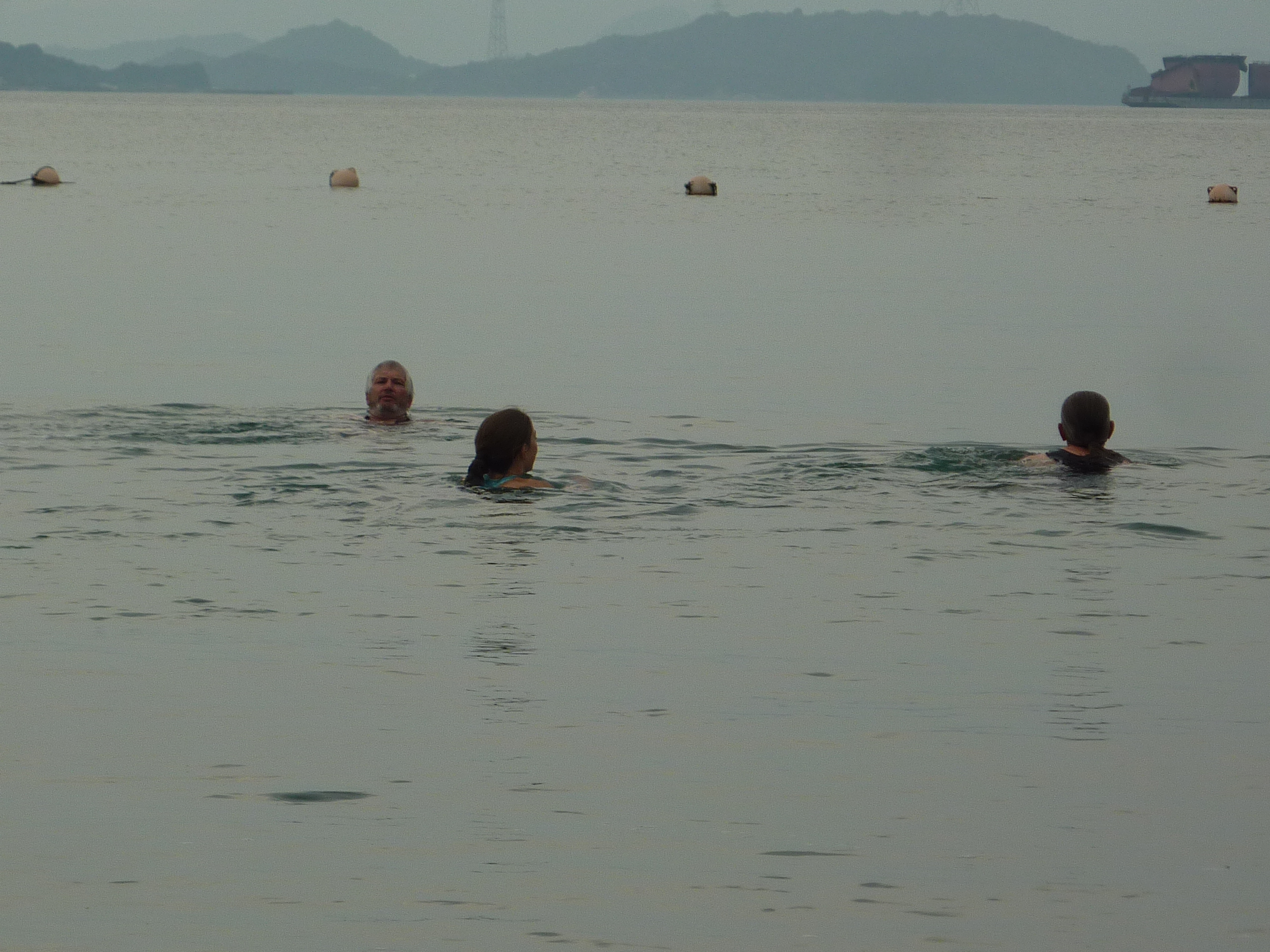
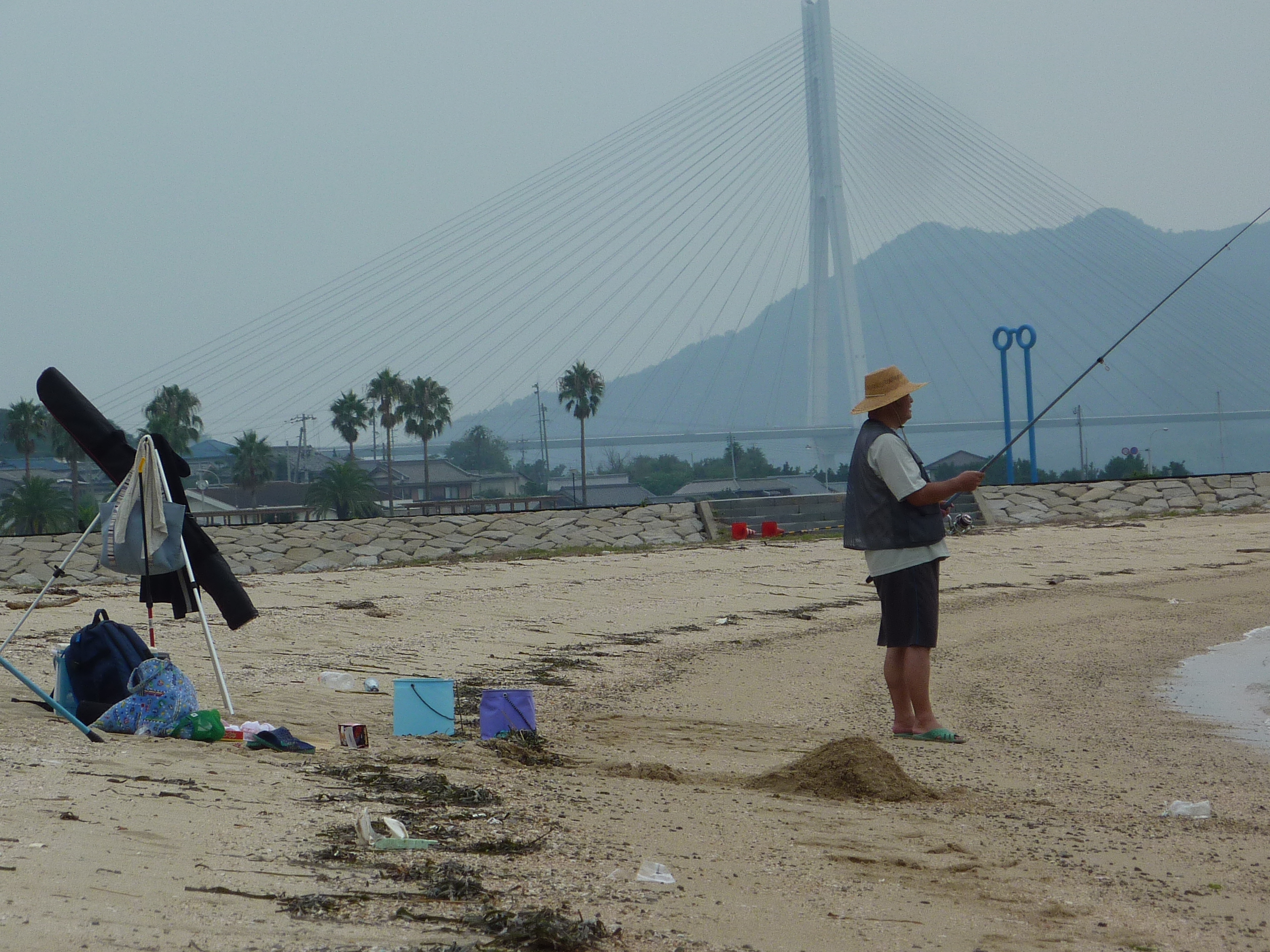
which happened to be right on the beach
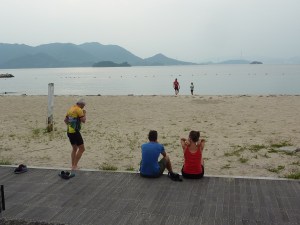
which means. . .
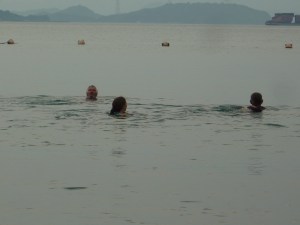
or if you’re a local. . .
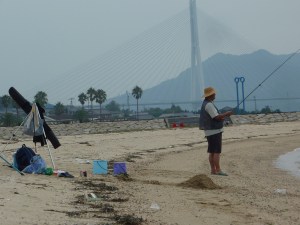
The next morning we awoke to a torrential downpour with lots of wind, so we waited for a break in the weather and headed out around 0930
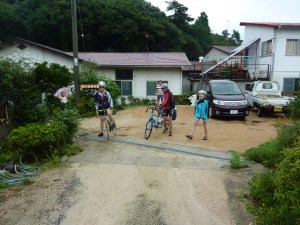
directly for the most important stop of the trip
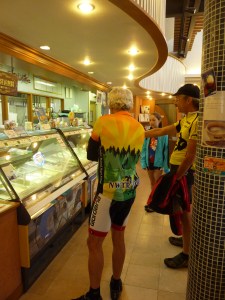
gelato – of course! A great way to start a rainy bike ride.
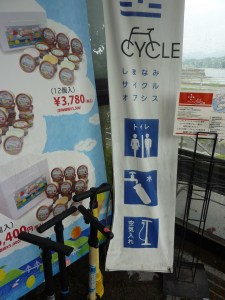
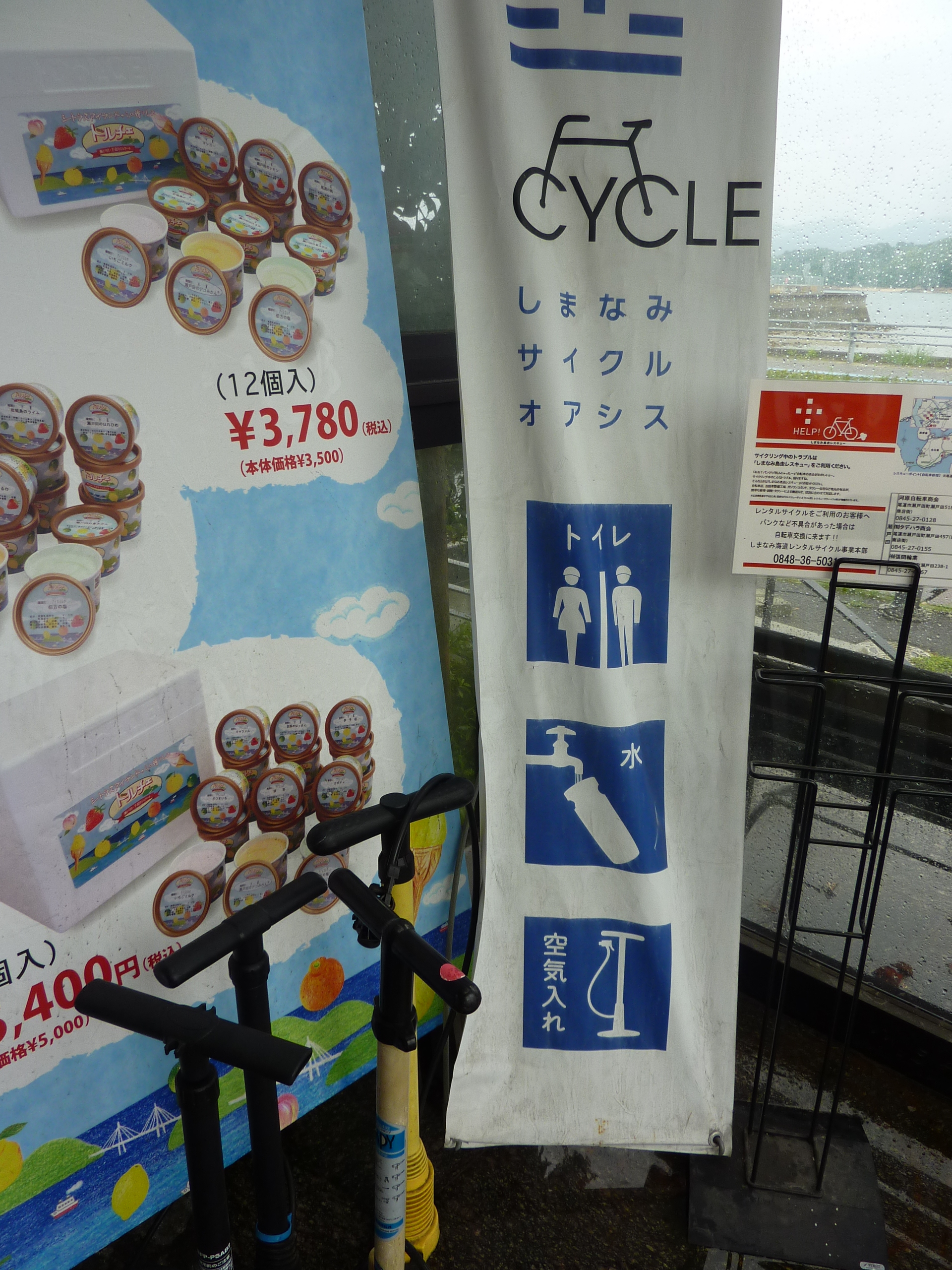
What’s cool about this route is that it is so bike oriented. Many places have signs like these. Note the floor pumps and the helmets on the man/woman symbols.
Today we head back the way we came. Back over the Tatara Bridge
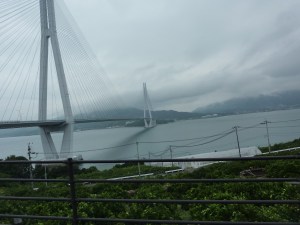
and the Oshima Bridge
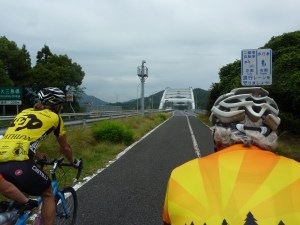
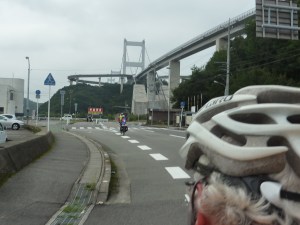
and the grand Kurushima Kaikyo Bridge
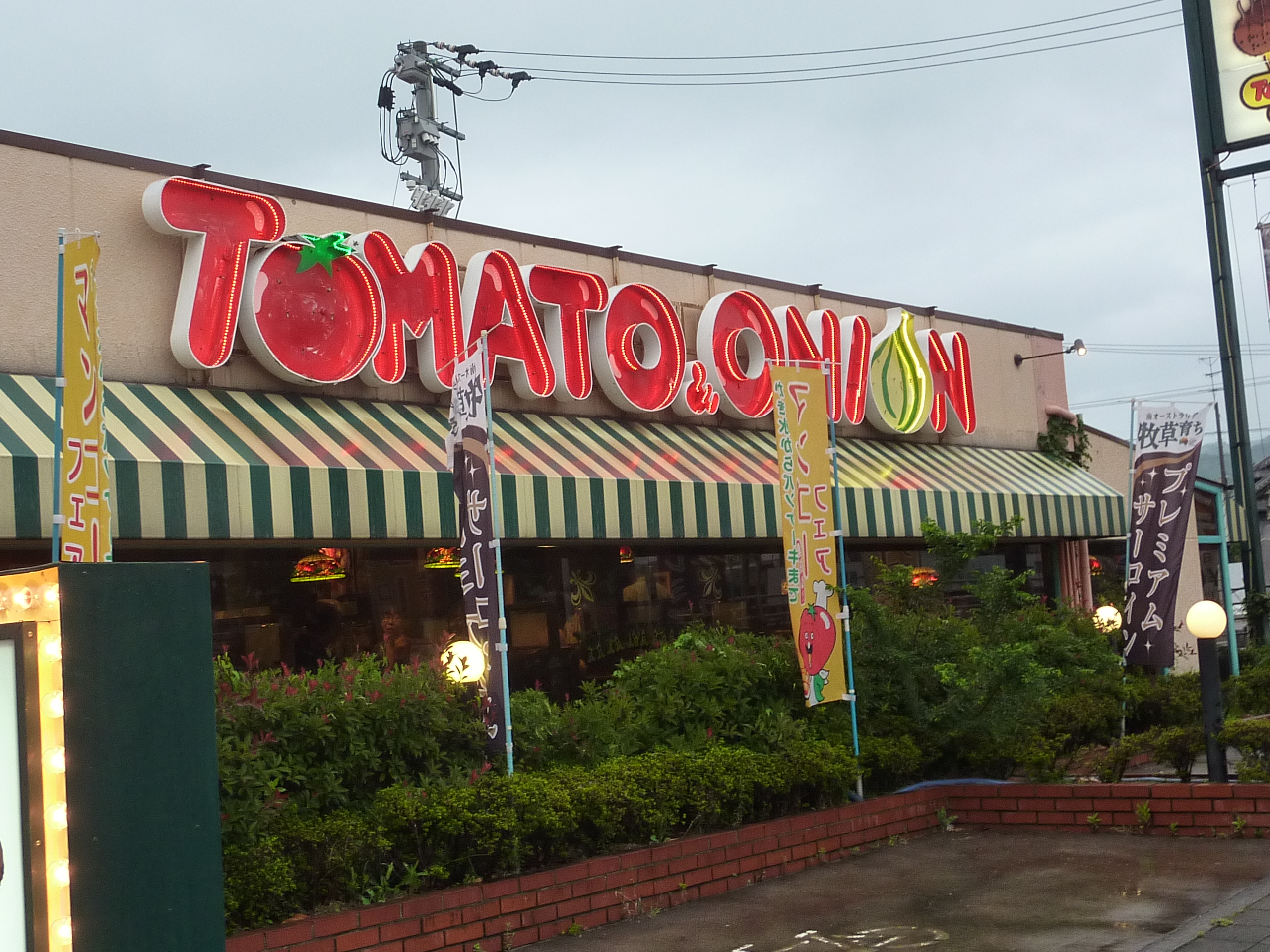
One last night in Imabari City with dinner at the Tomato & Onion for some “real” food.

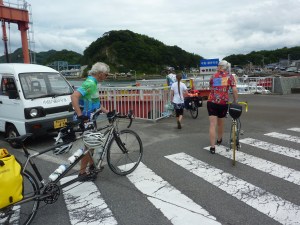
Then a two hour ride to the ferry the next morning
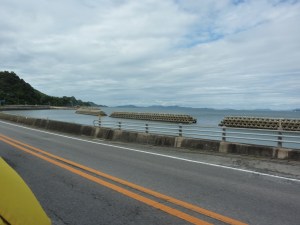
and another couple hours back up the coast to home.
Our first wonderful tandem tour in Japan.





















 Life in Japan and Beyond